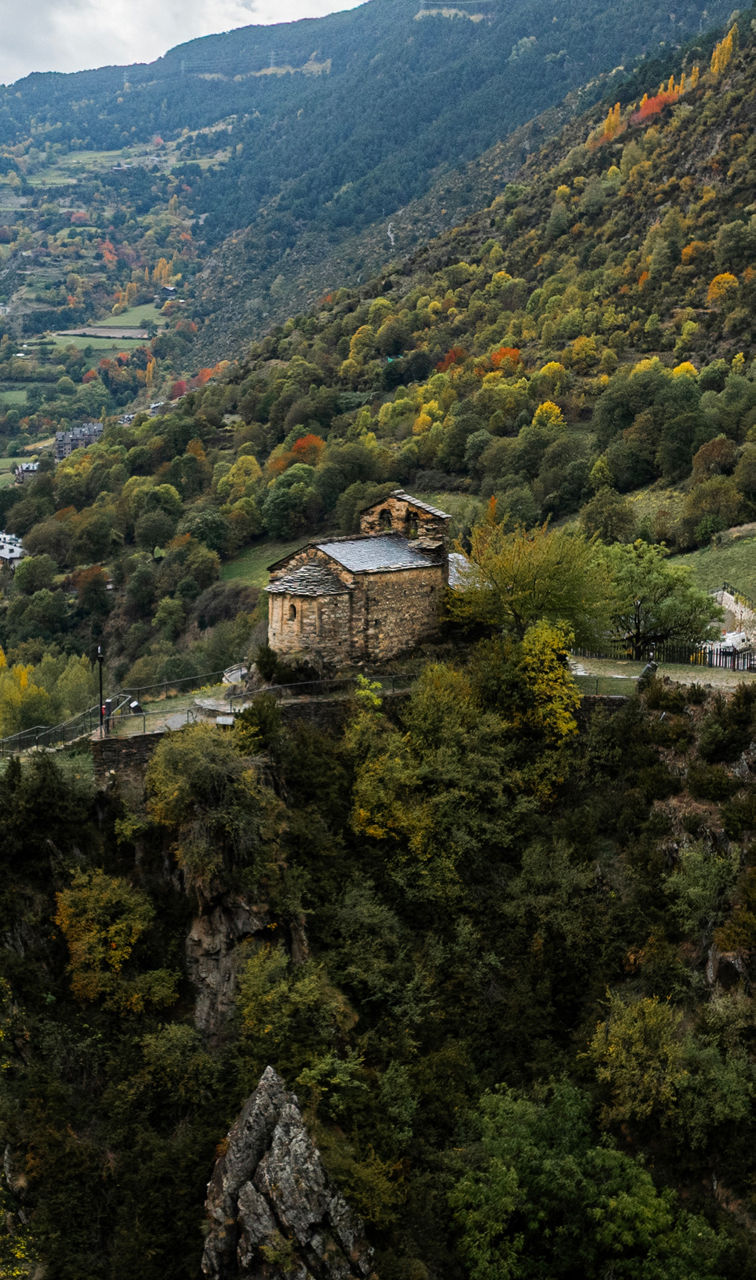
Natural Andorra, the Romanesque legacy

/content/dam/visitandorra/ca/assets/images/què-fer/natura/andorra-i-national-geographic/el-llegat-del-romanic/FOTOGALERIA-1_01.jpg


Art and cultural heritage

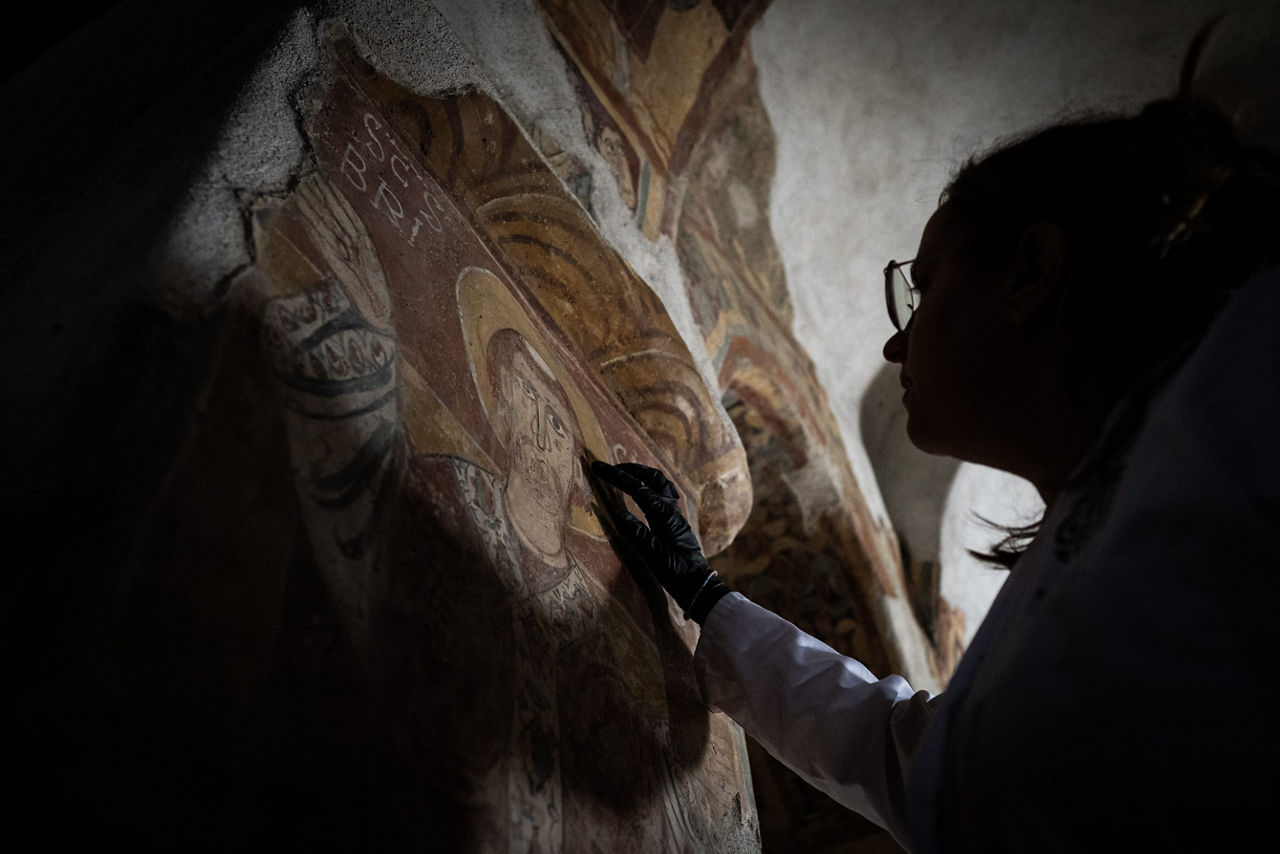
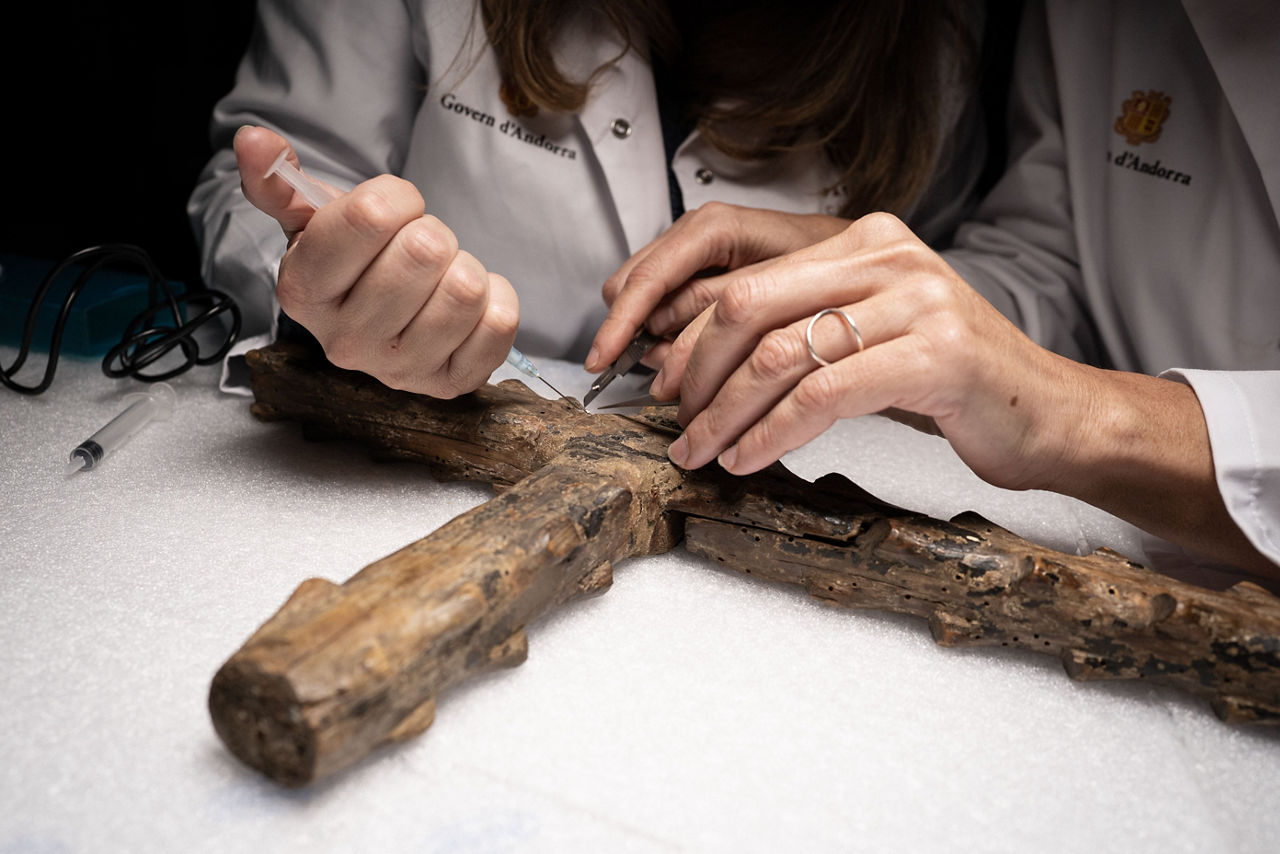
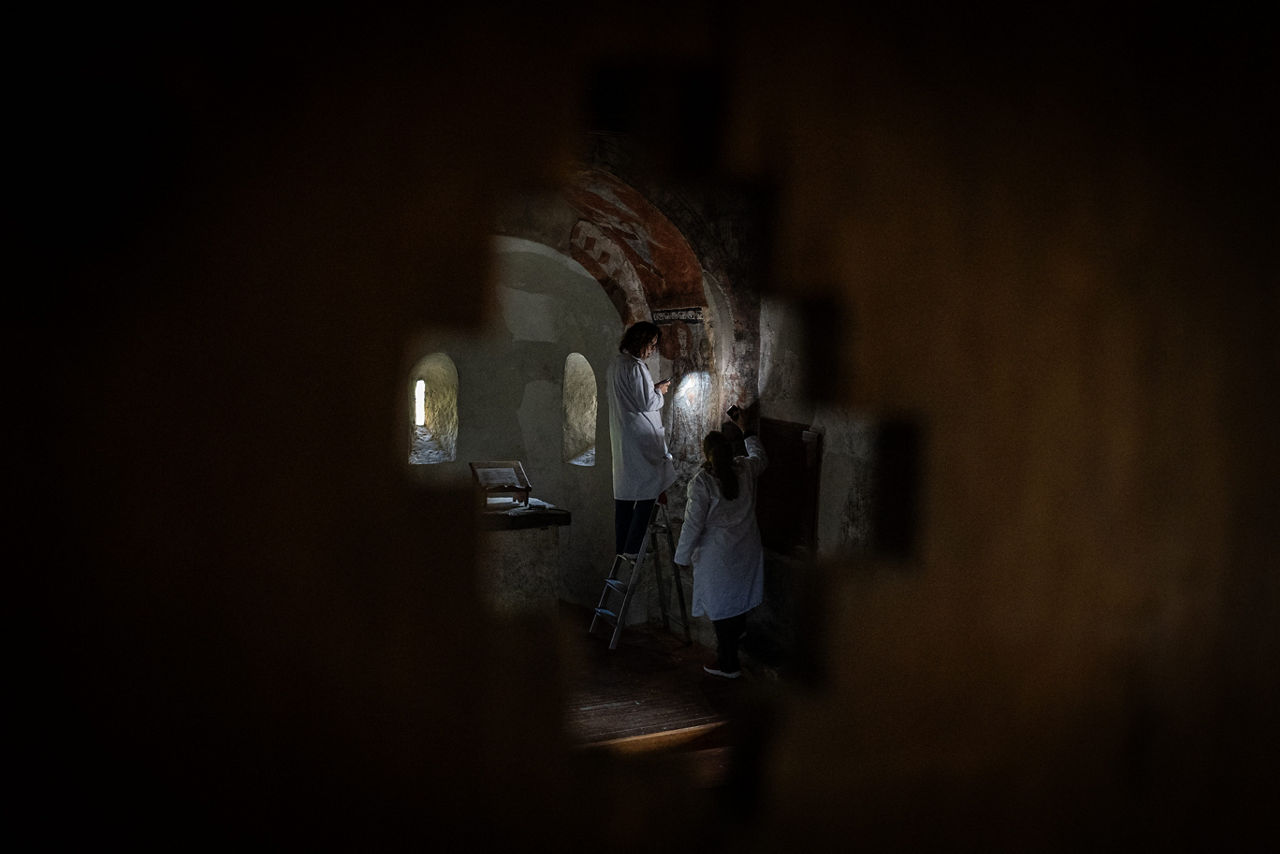
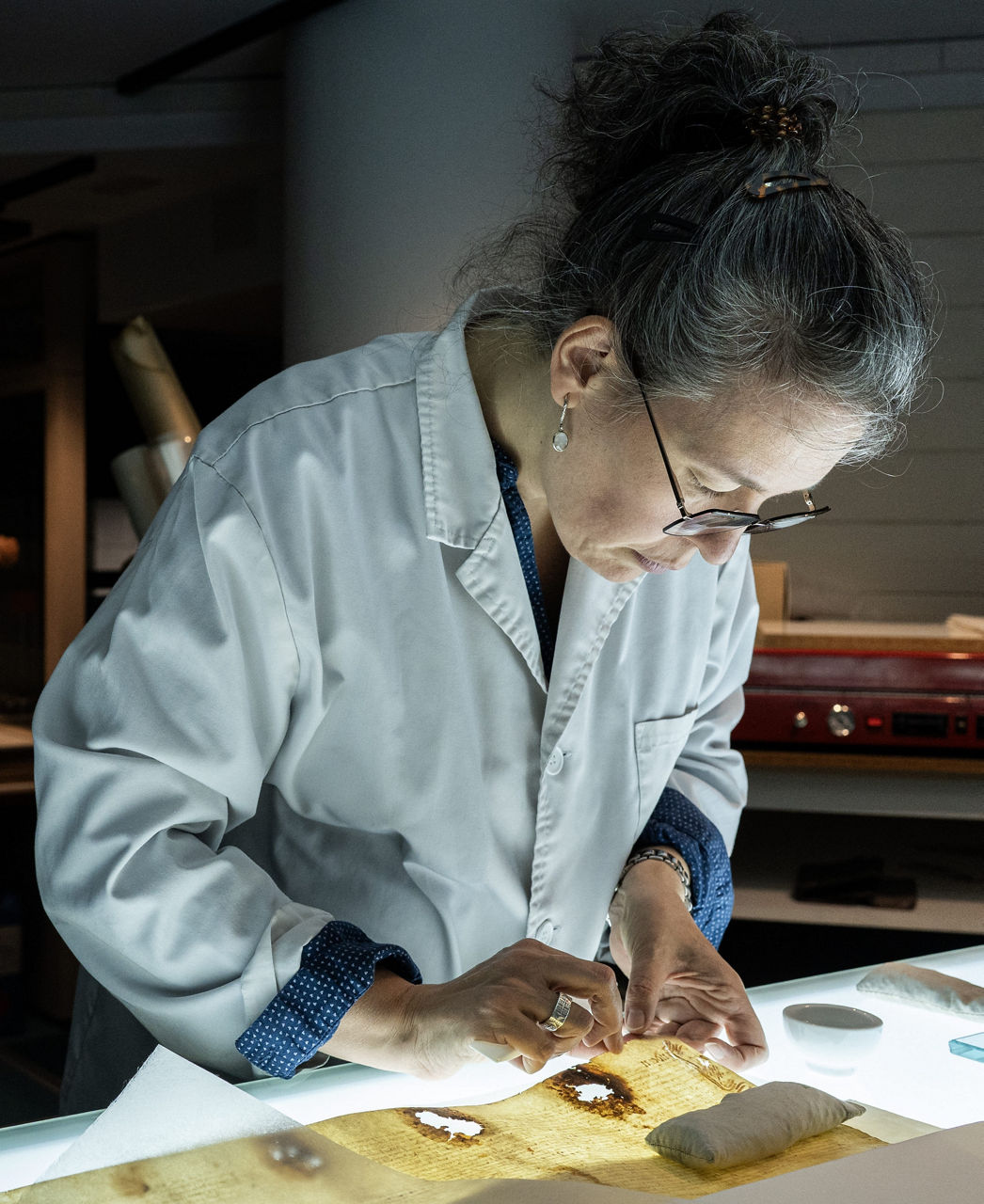
Behind the walls, mural paintings and sculptural elements of the Andorran Romanesque there is a silent and constant conservation effort. Heritage restoration is much more than a technical task, it is a way of preserving memory and ensuring that this legacy remains alive for future generations.

This story brings us closer to the work of the people who, from restoration workshops and the churches themselves, ensure the country's cultural heritage is preserved. A meticulous task that combines technical knowledge, patience and passion, and allows Romanesque paintings, carvings and spaces to remain accessible, studyable and understandable today.

The project also highlights the emotional dimension and identity of the Romanesque. For many in the country, these churches are part of the everyday landscape and shared memory. To preserve them is to preserve an essential part of the country's memory and identity.

/content/dam/visitandorra/ca/assets/images/què-fer/natura/natural-andorra-the-romanesque-legacy/history-and-archives/historia i arxius 2.jpg
/content/dam/visitandorra/ca/assets/images/què-fer/natura/natural-andorra-the-romanesque-legacy/history-and-archives/historia i arxius 1.jpg

History and archives

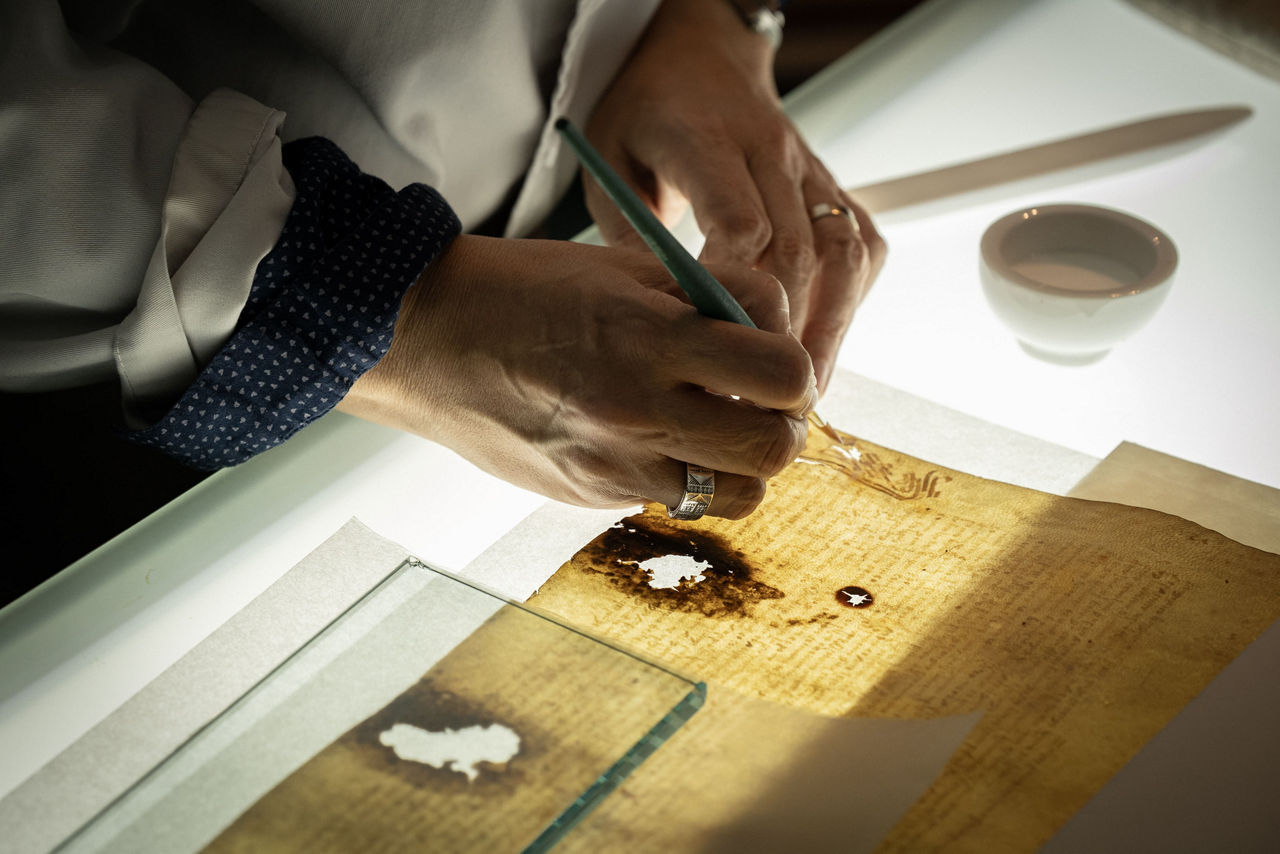
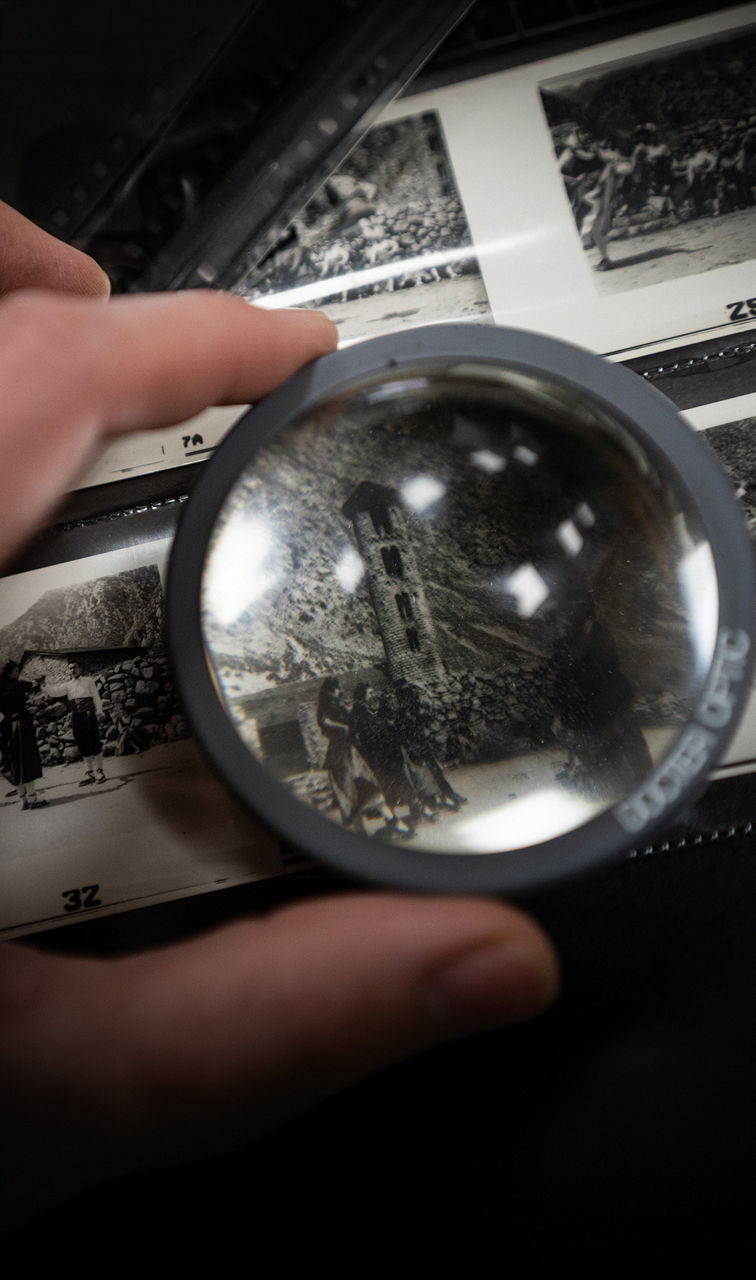
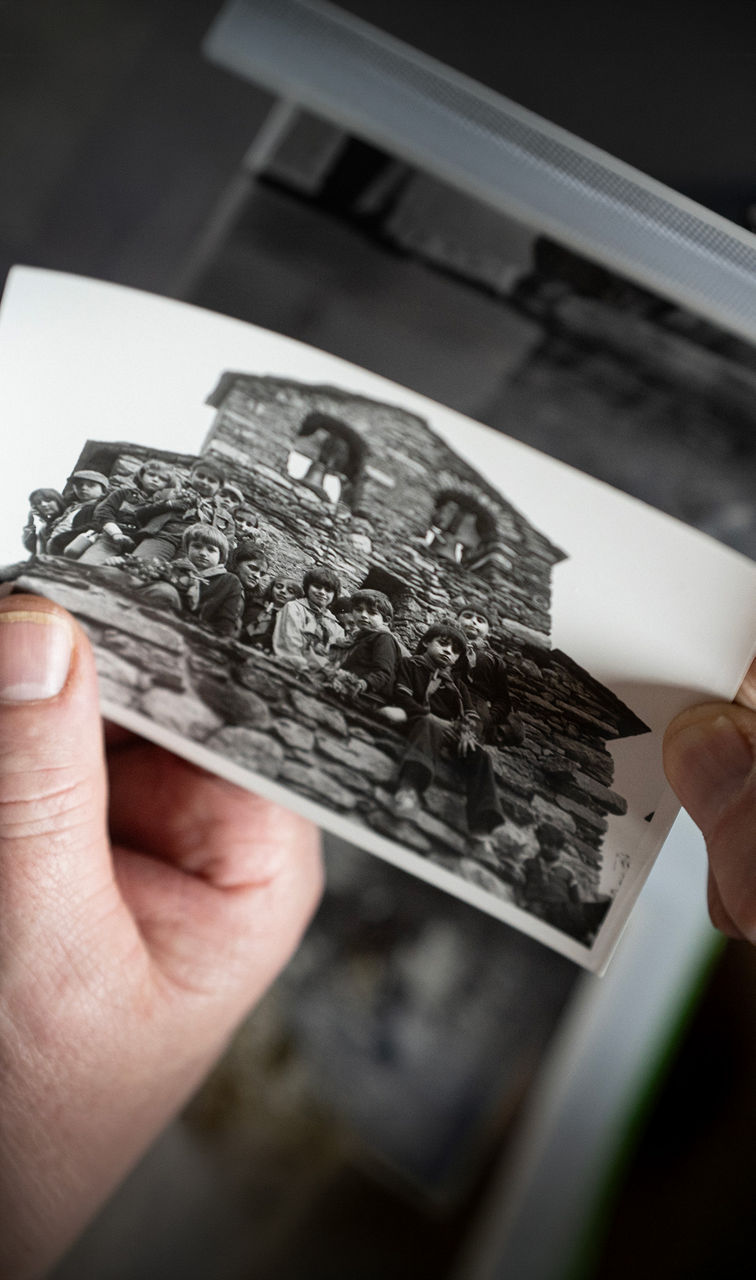
The Andorran Romanesque is not merely preserved in stone. It also lives on in the documents, manuscripts and archives that allow us to reconstruct the history of the country and better understand the communities that built these churches between the 11th and 13th centuries.


Through the eyes of specialists from the National Archives of Andorra, this story shows the importance of preserving written memory. The classification, study and interpretation of medieval documents allow us to discover aspects of daily life, social order and the central role of Romanesque churches during the medieval period.
 

This story shows that the Romanesque goes far beyond architecture. Romanesque churches became meeting places, spiritual hubs and the centre of community life that structured Andorran society for centuries. Today, they continue to be one of the most representative living testimonies of the country's historical identity.


Tradition and bells

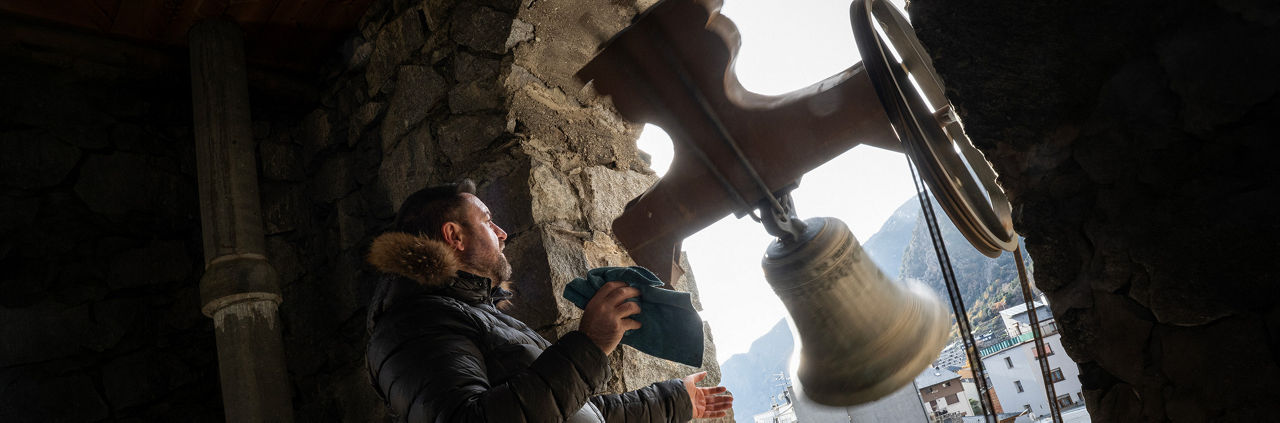
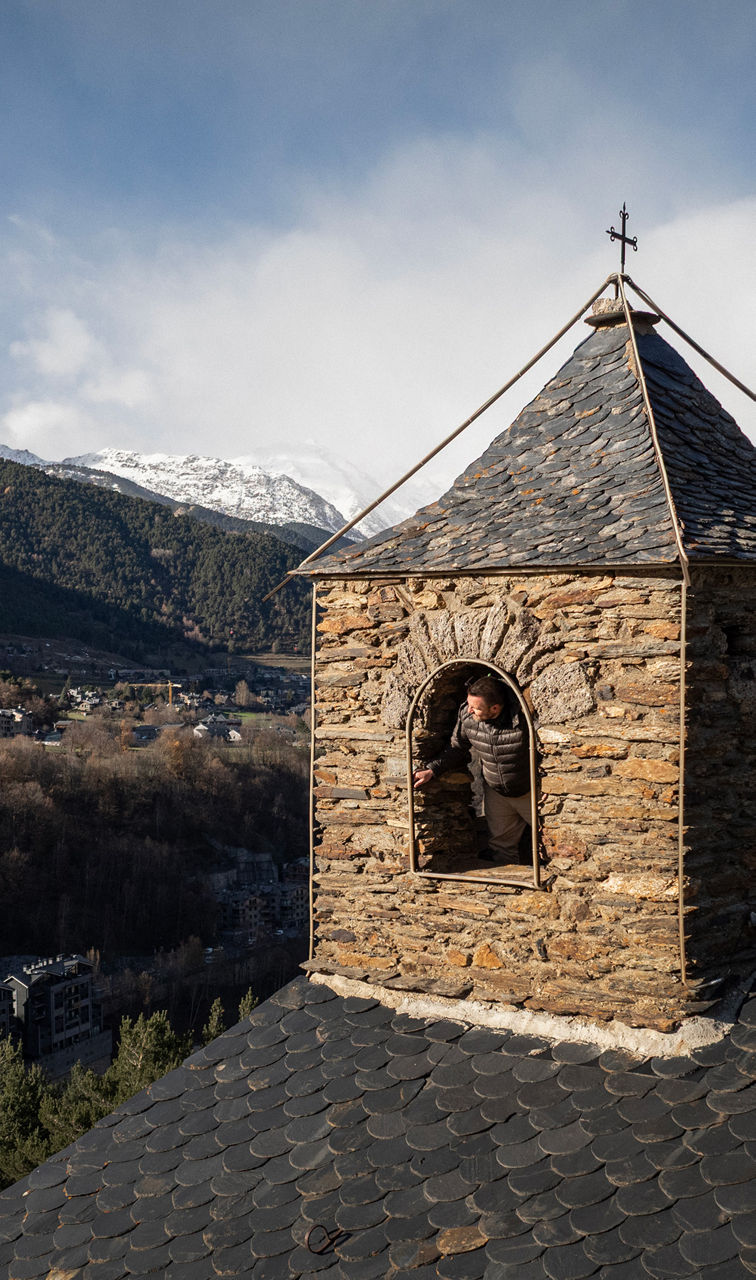
In a territory marked by mountains and high peaks, Romanesque bell towers played a fundamental role in community life for centuries. Beyond their religious dimension, the bells marked the towns' daily rhythm, transmitting warnings and connecting the inhabitants to the destiny of the land.

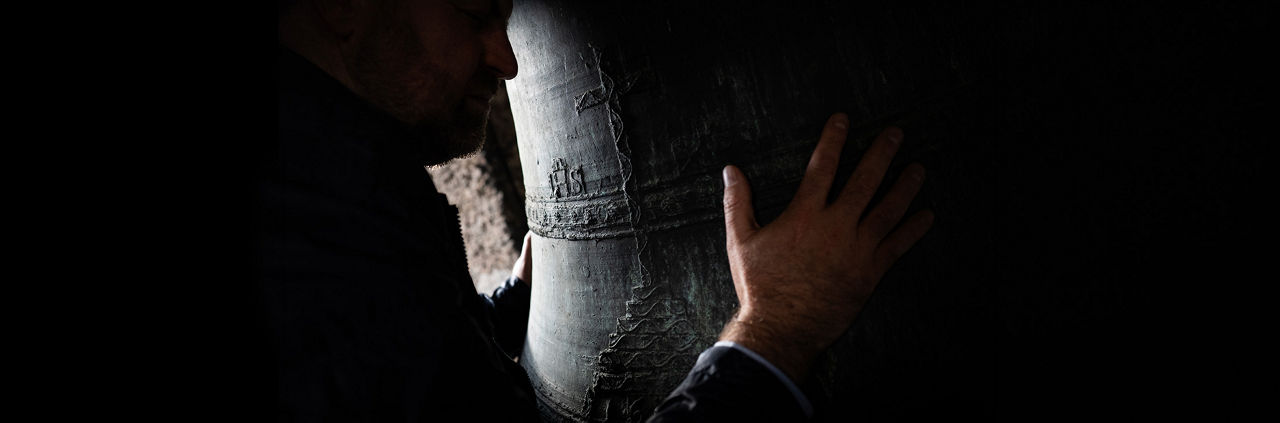
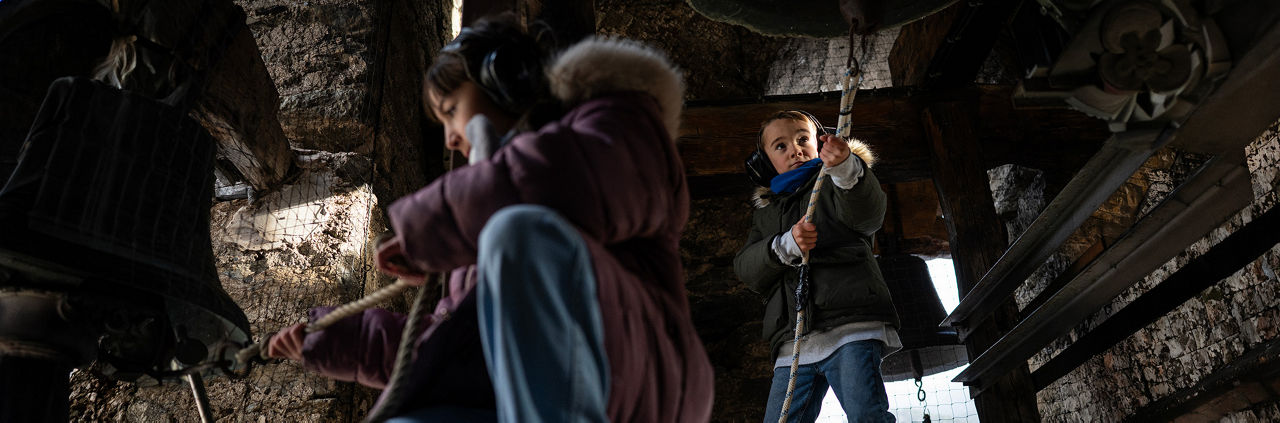
This story recovers the habit of manual bell ringing through the figure of bell ringer Robert Lizarte, who shares his experience and emotional connection with this traditional craft. From the church bell towers, bells announced celebrations, emergencies and communal meetings, becoming the communication system for the community.

The project highlights an intangible heritage that remained in full flow for centuries and that today they are working to recover. A legacy that was passed down from generation to generation and that keeps the art of transmitting messages, emotions and traditions alive through the sound of bells.

/content/dam/visitandorra/ca/assets/images/què-fer/natura/natural-andorra-the-romanesque-legacy/religion-and-society/religio societat 3.jpg
/content/dam/visitandorra/ca/assets/images/què-fer/natura/natural-andorra-the-romanesque-legacy/religion-and-society/religio societat 1.jpg

Religion and society

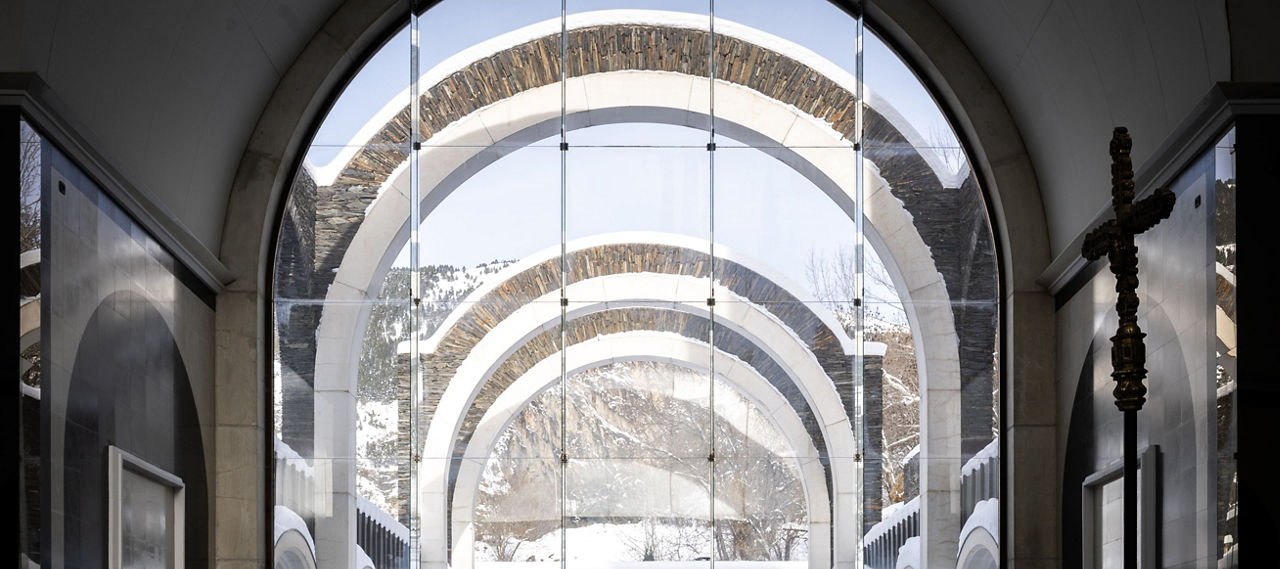
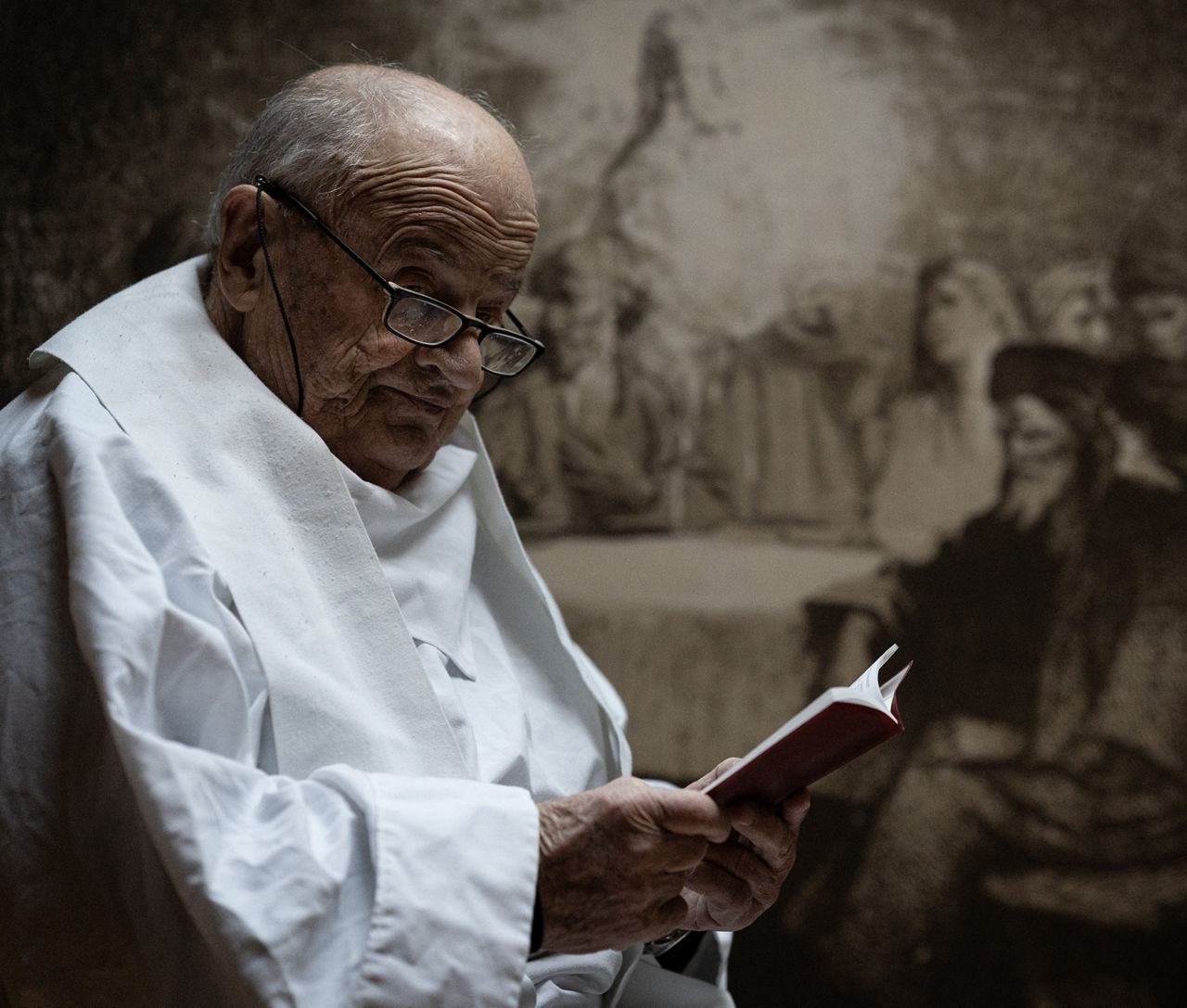
Romanesque churches have been, over the centuries, welcoming, spiritual spaces for community life. Even today they continue to be linked to the transmission of values, identity and shared life.


Through the figure of Father Ramon Rosell, this story shows the human and social dimension of the Andorran Romanesque. His work, including initiatives such as the AINA camps, reflect the desire to bring the country's heritage and history closer to new generations.
 

The project also invites us to rediscover Romanesque churches as spaces to pause, contemplate and find peace. Small temples integrated into the Andorran landscape that, beyond their heritage value, continue to revive a way of living and understanding Andorra.

YOU MAY ALSO BE INTERESTED IN

Other projects in Andorra with
NATIONAL GEOGRAPHIC

Explore previous projects with the collaboration of Andorra Turisme and National Geographic and discover their take on the nature, sustainability and cultural heritage of Andorra. 

/content/dam/visitandorra/ca/assets/images/home/Rojo_210727_Z7J8889.jpg

Natural Andorra

Discover Andorra at its wildest and most natural. National Geographic takes us through each season of the year, exploring the most authentic flora and fauna.

/content/dam/visitandorra/ca/assets/images/home/andorra_18.jpg

The place where ideas grow

An innovation project to help us understand how we relate to the environment around us and how to improve our impact on it.

/content/dam/visitandorra/ca/assets/images/home/ordino_19.jpg

World Heritage

UNESCO has recognised the nature and culture of Andorra as World Heritage. Discover the essence of Andorra through its traditions and nature. Feel our essence!