1- Areny Plandolit House Museum
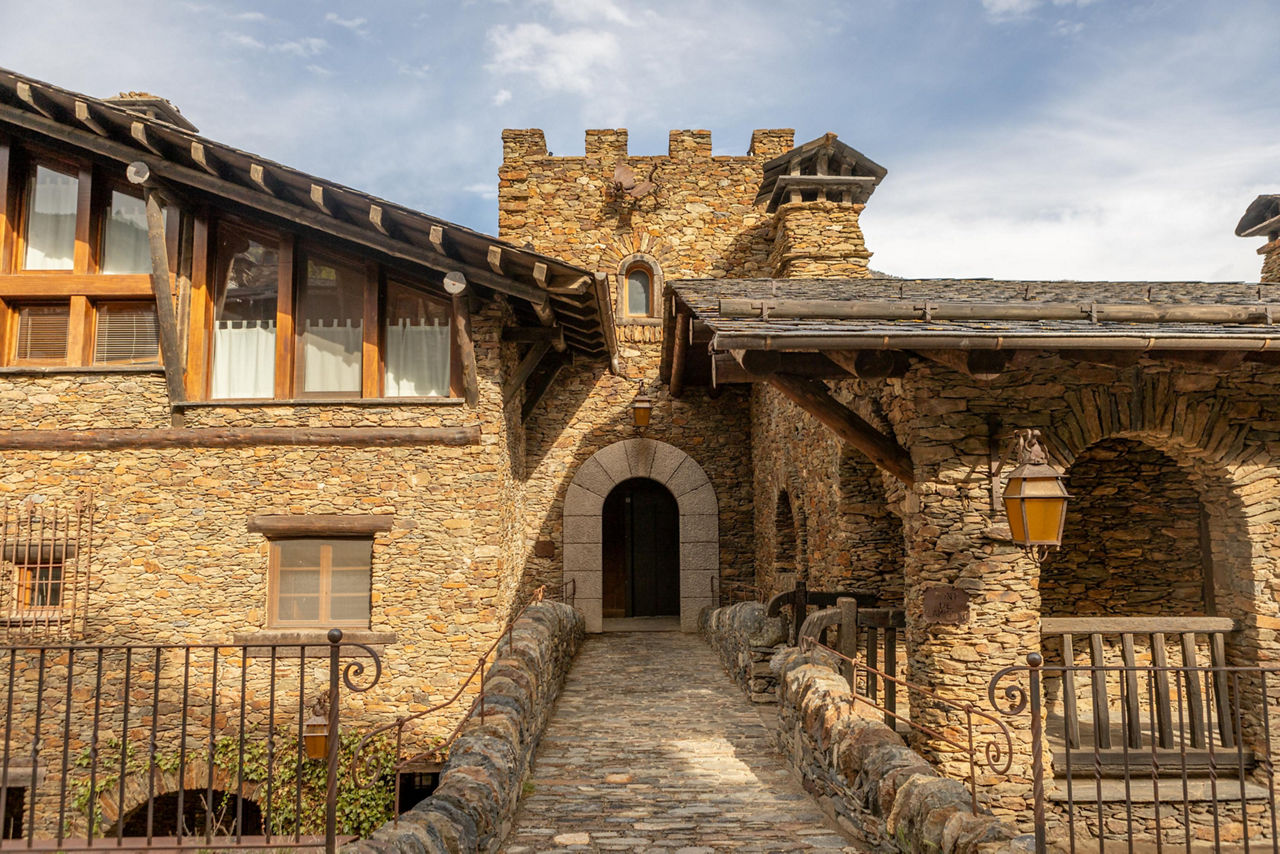
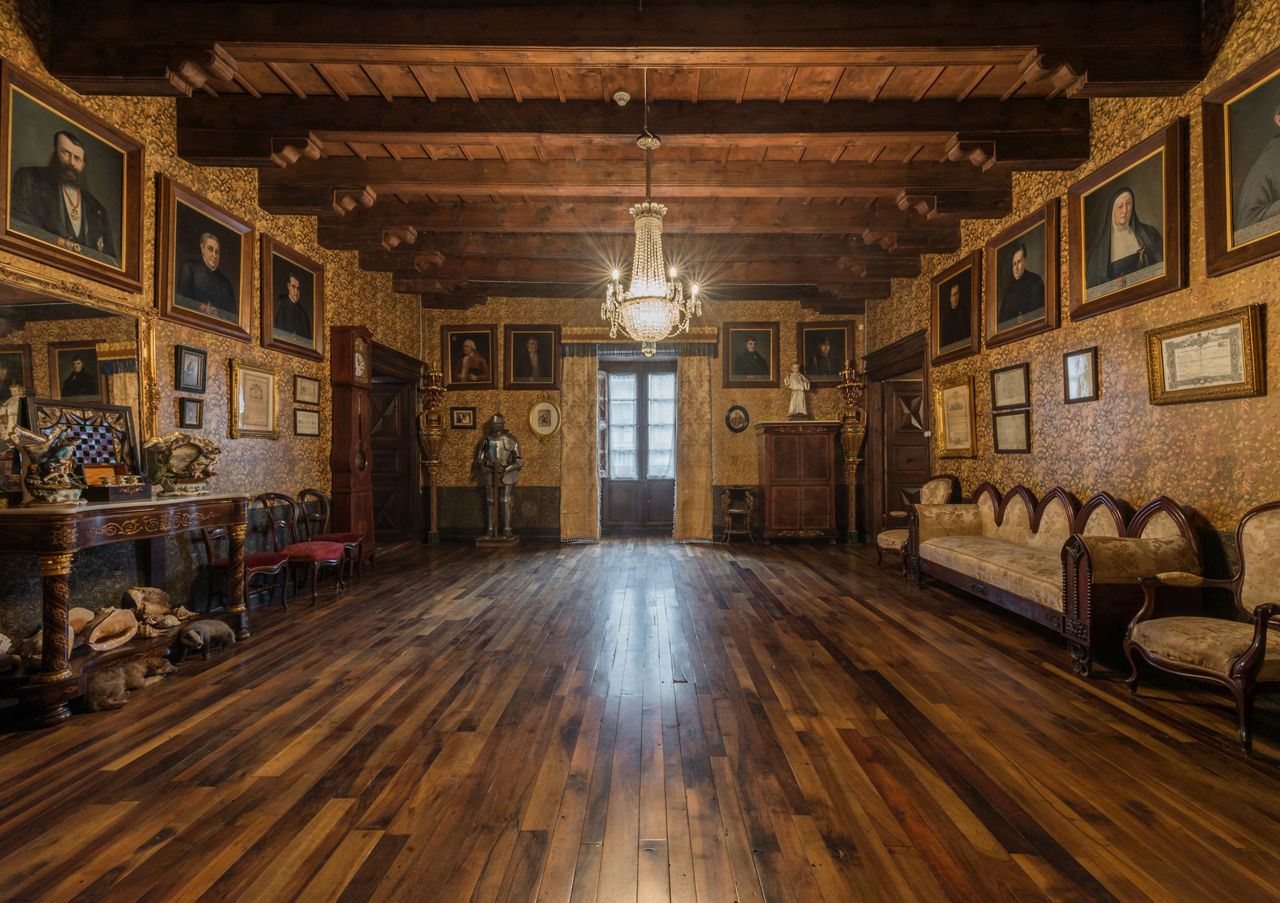
This house is one of the jewels in the crown of Ordino's heritage and among the most iconic museums in the Principality, currently known as the Casa Areny-Plandolit. It dates from the 17th century, though its current appearance is the result of several later transformations. It belonged to the Areny-Plandolit family, one of the most influential of the time in Andorra, with links to key moments in the country's economic, social and political development.
Now converted into a museum, the space allows visitors to immerse themselves in aristocratic life, with rooms and objects that illustrate living conditions, the evolution of customs and the place's cultural legacy.
2- Cal Pal
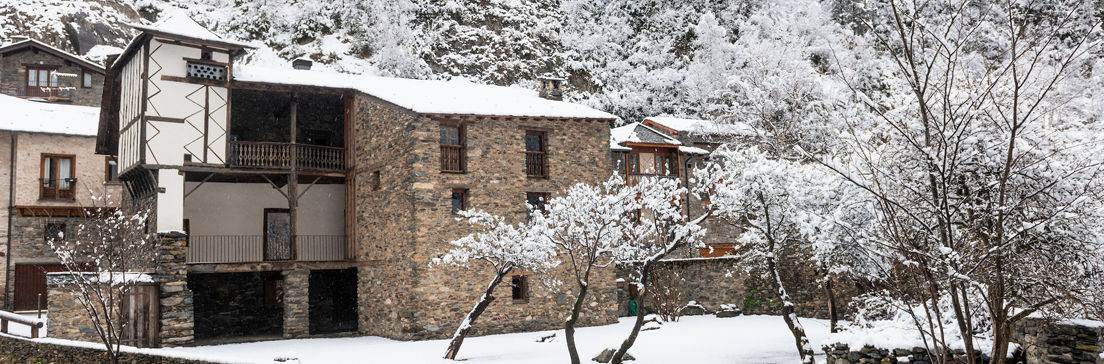
Located in the town of Cortinada, the Cal Pal Sociocultural Space is part of the cultural heritage of the parish of Ordino.
In 2018, the building opened its doors to the public for the first time with the exhibition The First Stone, with a view to linking Andorran identity with its history. It now hosts temporary exhibitions related to the country's history, identity and cultural and natural heritage.
3- Cal Pal Grindstone and Sawmill
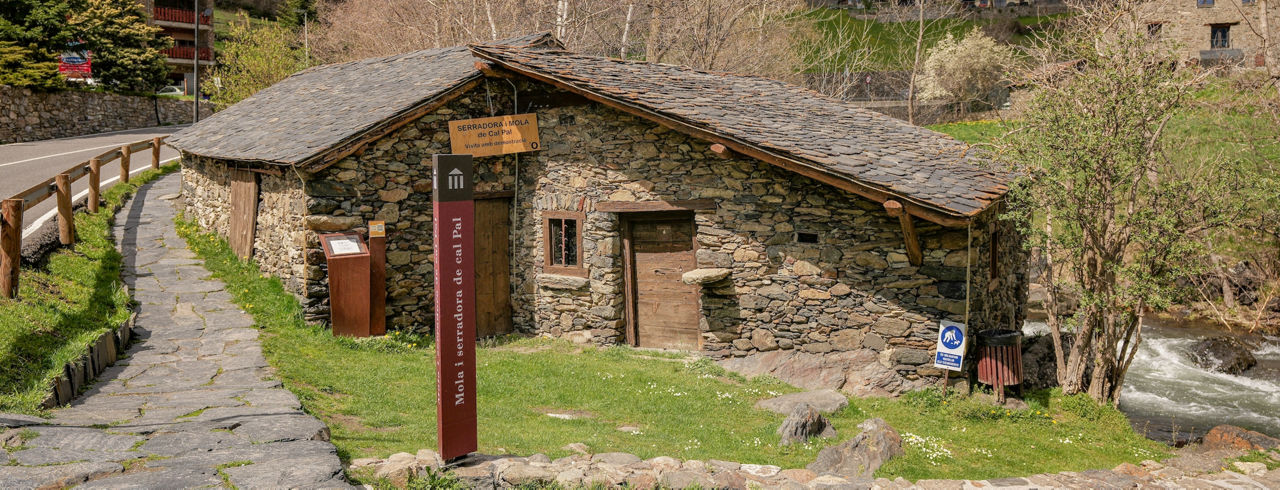
The Cal Pal Grindstone and Sawmill will help you to understand the workings of the old mills and sawmills in the area, which were fundamental for the local economy and for the self-sufficiency of mountain communities.
Dating from the late 16th century, they were in operation until the 1960s, and in 1996, they reopened with all the original elements restored. During your visit, you'll see how wood is cut using an old hydraulic saw and the process of transforming wheat into flour using an original stone millstone.
4- Sant Martí de la Cortinada Church
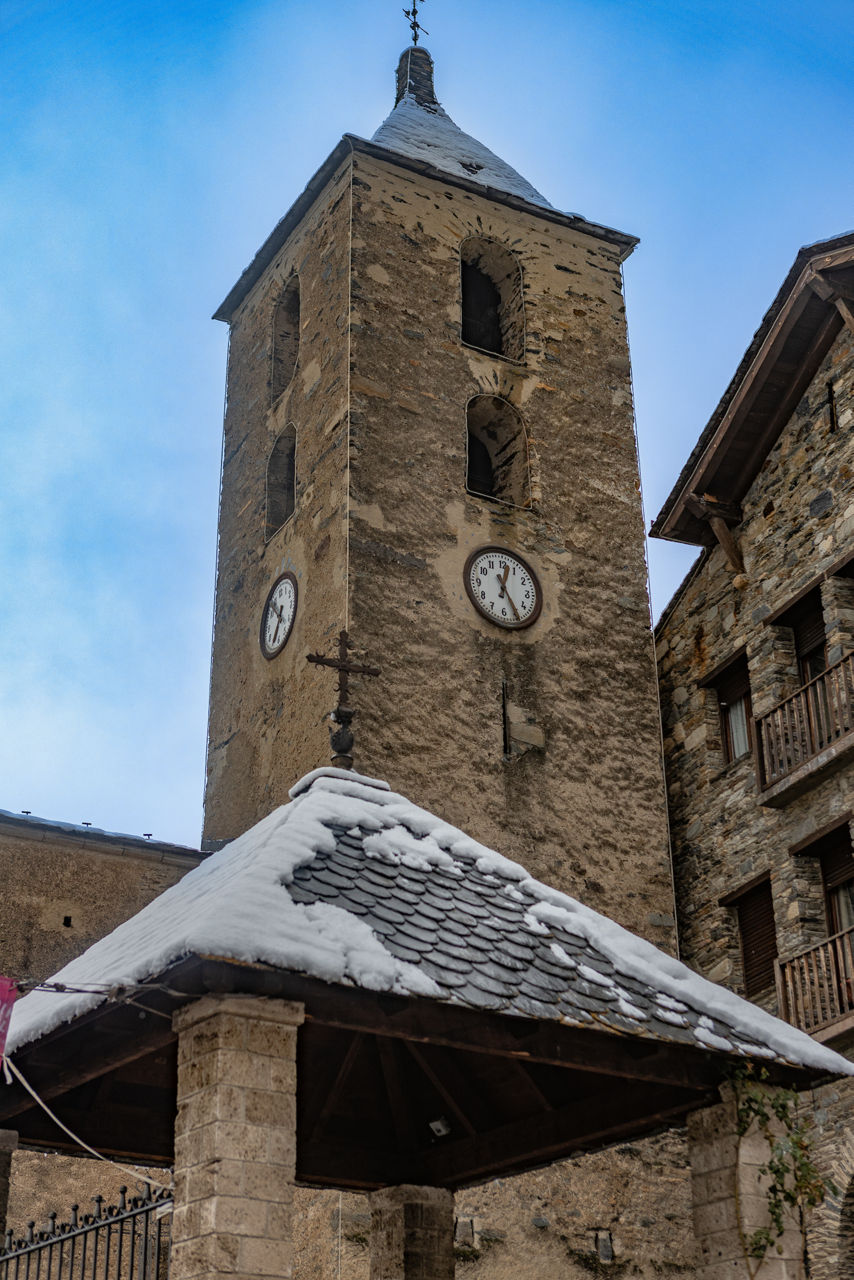
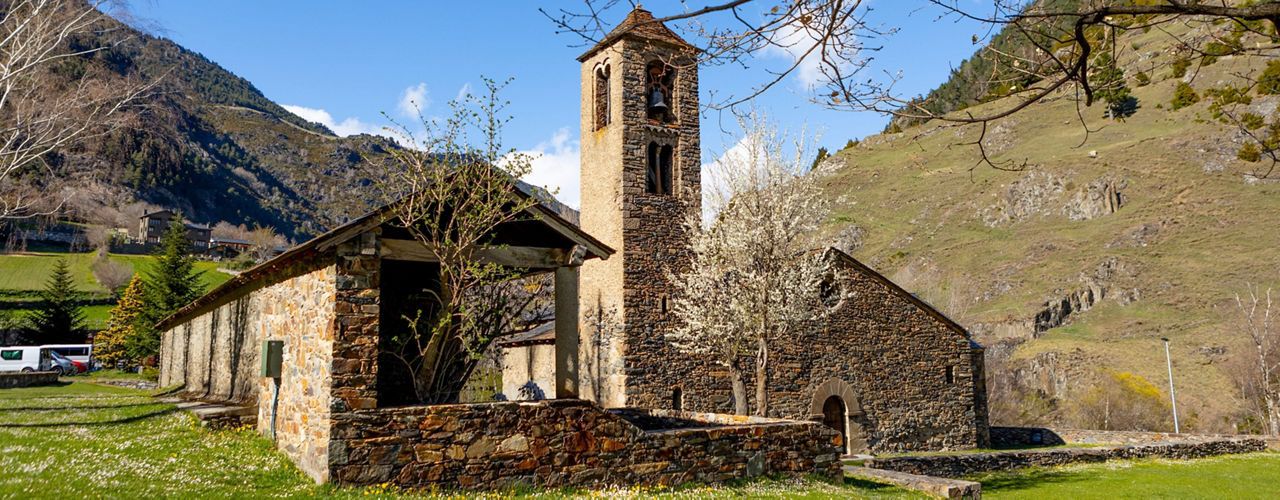
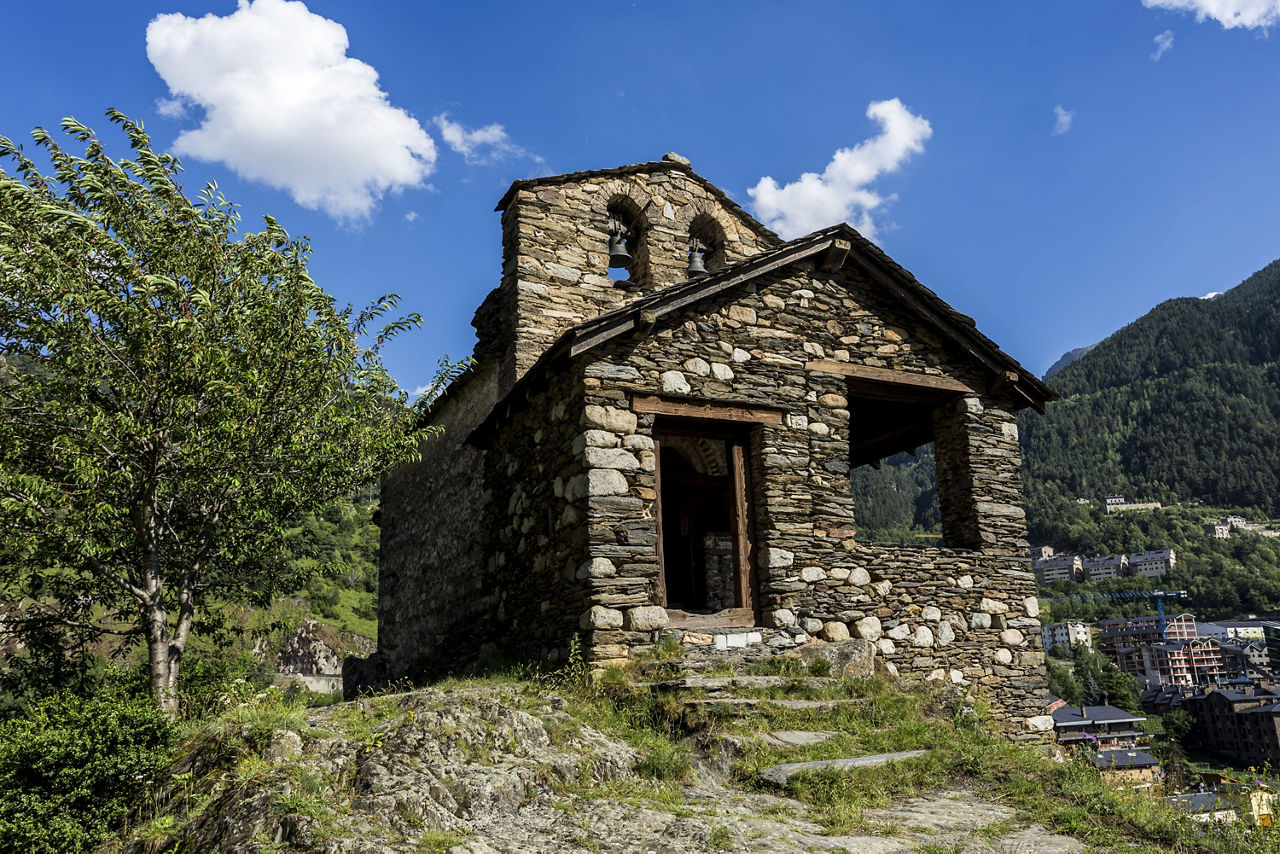
Of Romanesque origin, this is one of the most representative buildings of the cultural heritage of the Ordino valley. Built in the 12th century, it stands out for its stone architecture and its integration into the heart of La Cortinada.
One of the main attractions of the Sant Martí de la Cortinada Church is its exceptional 17th-century carpentry, as well as the conservation of part of the original mural paintings, which decorate the interior of the church and constitute one of the most outstanding examples of Andorran Romanesque painting.

)