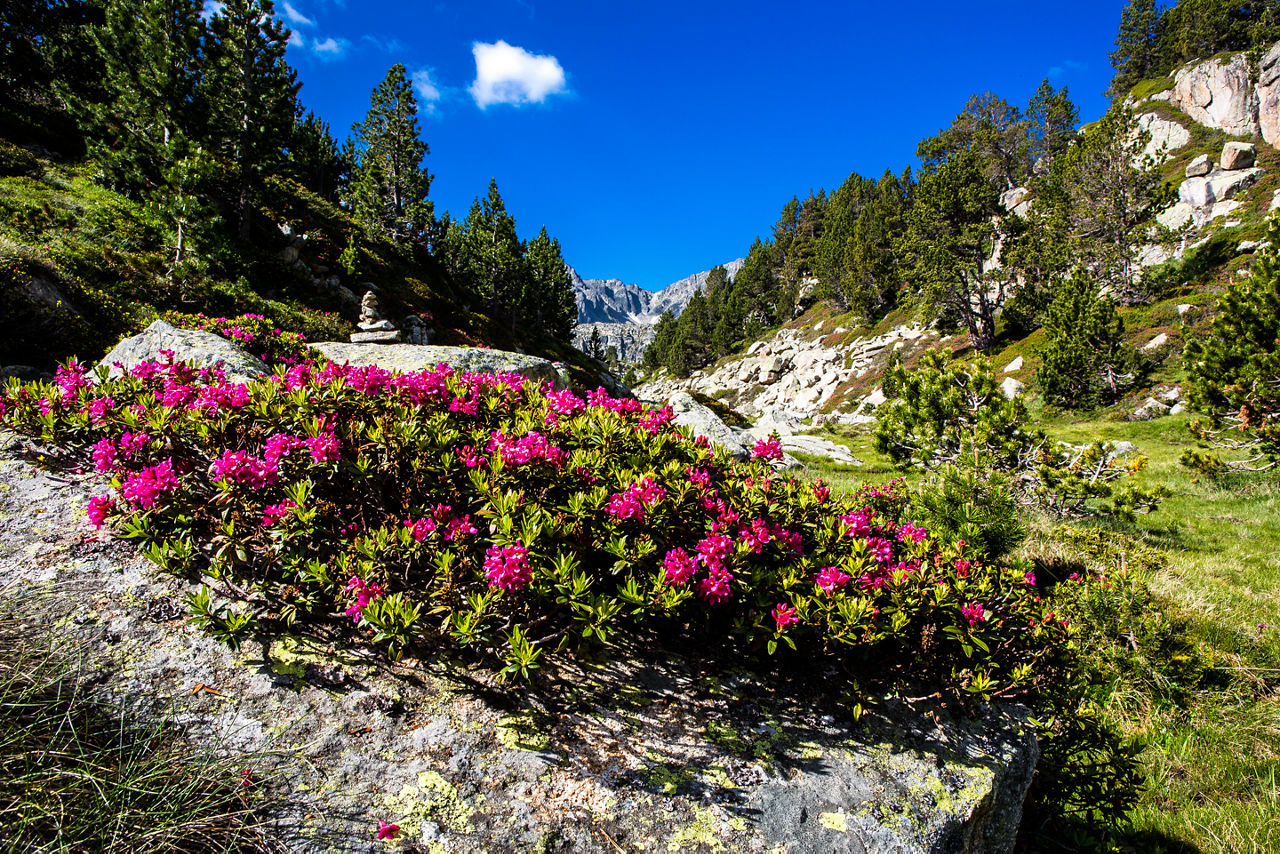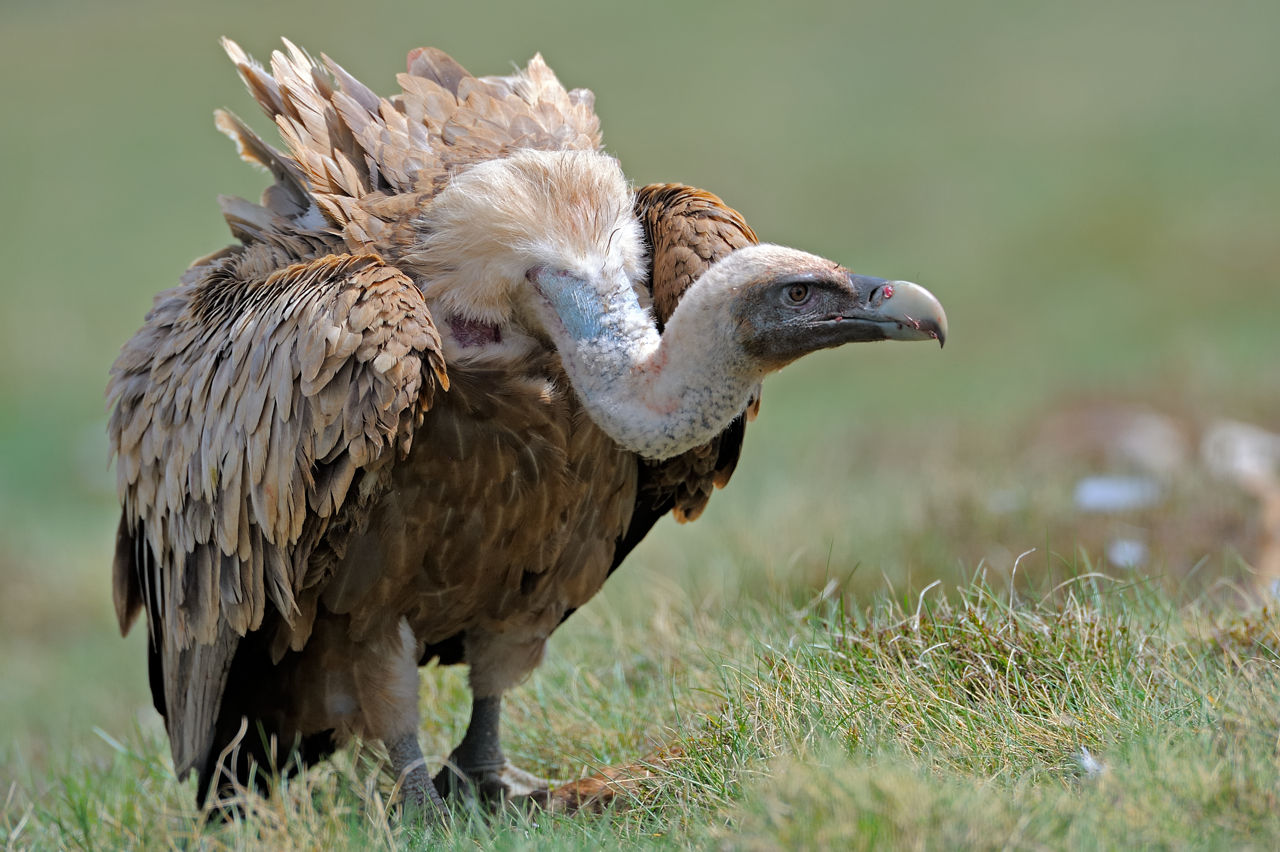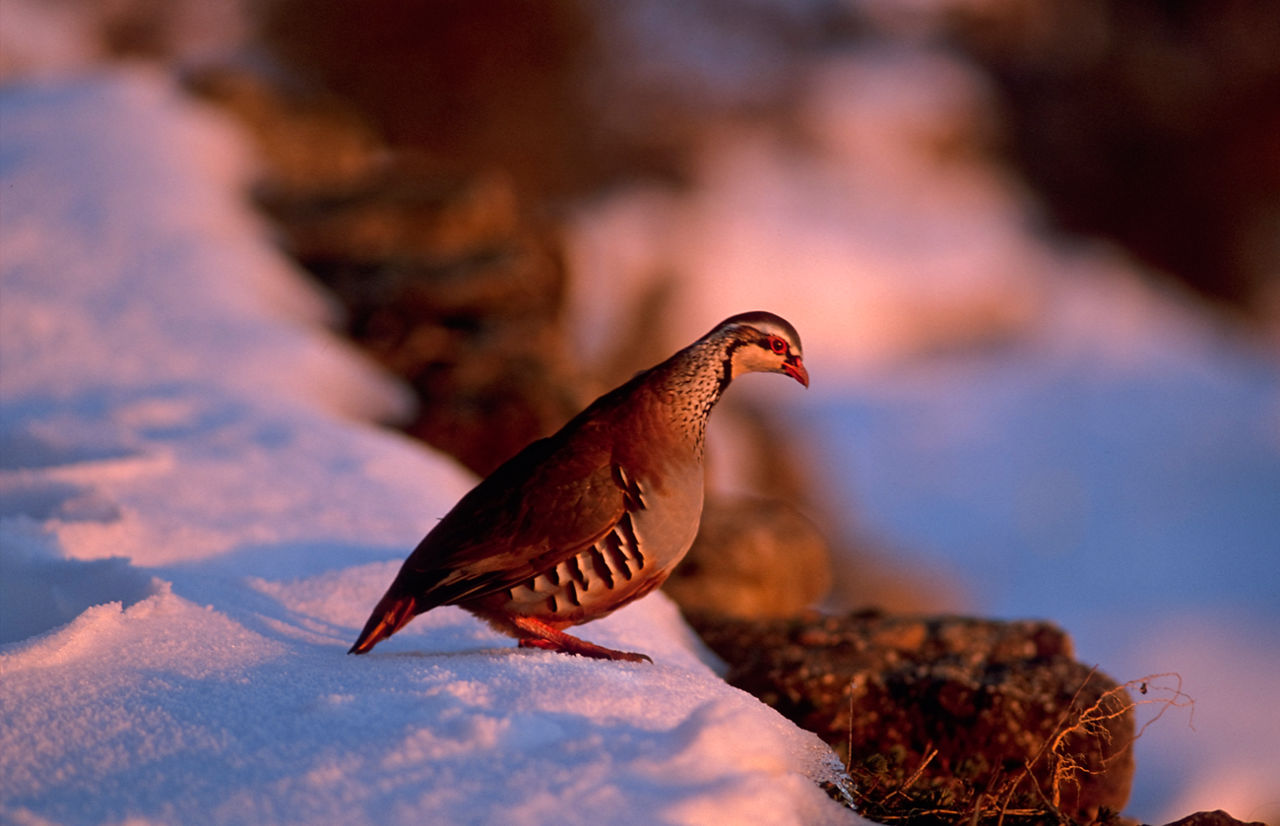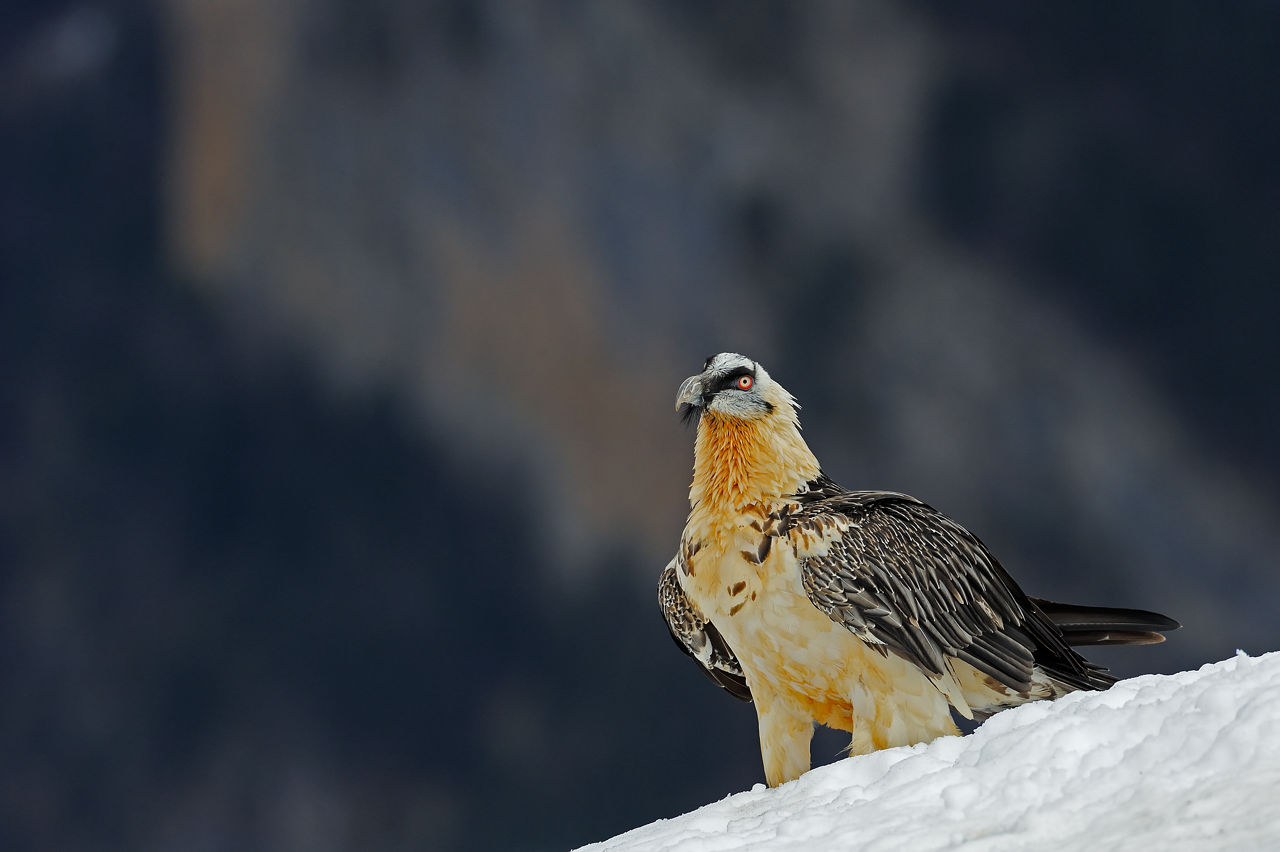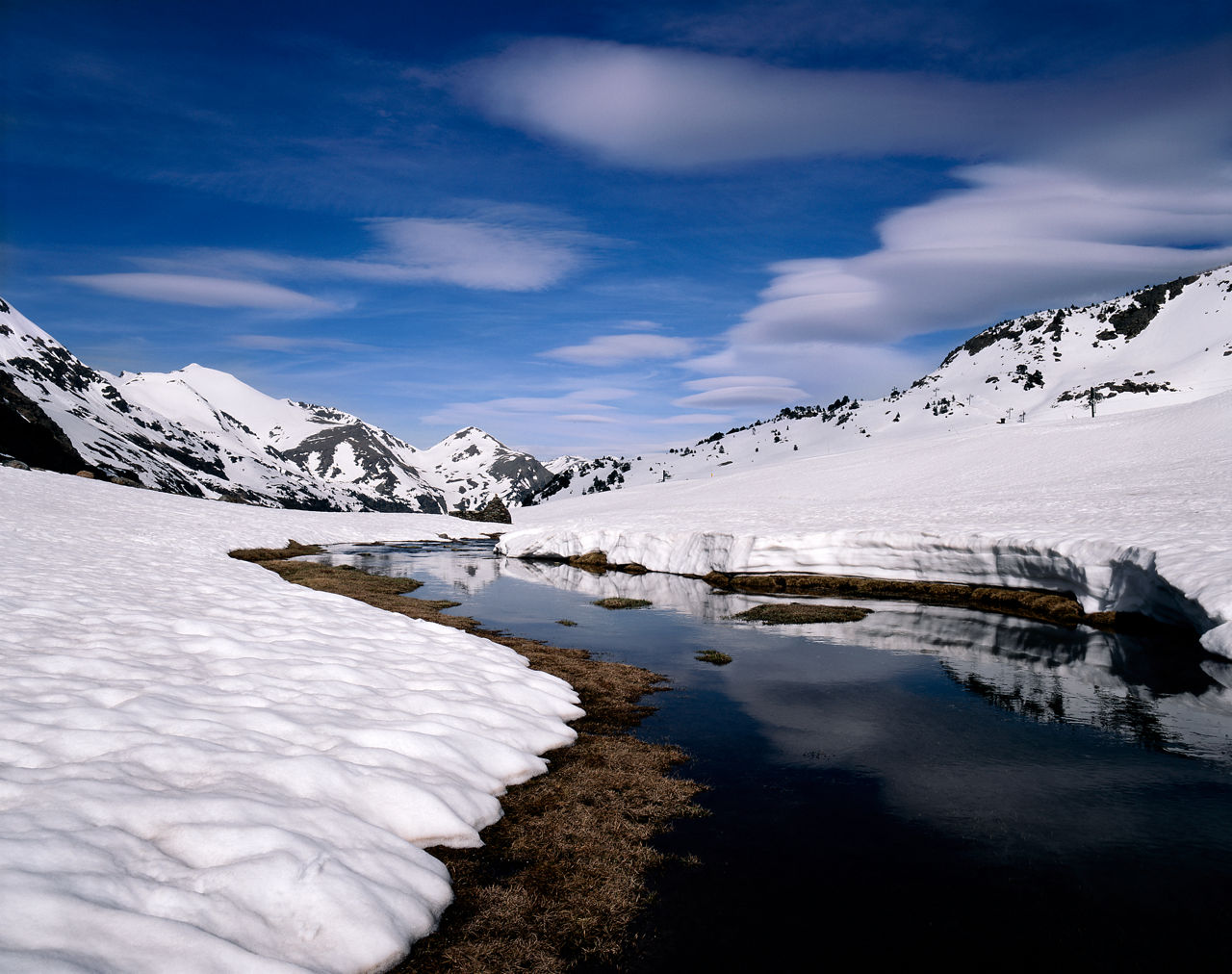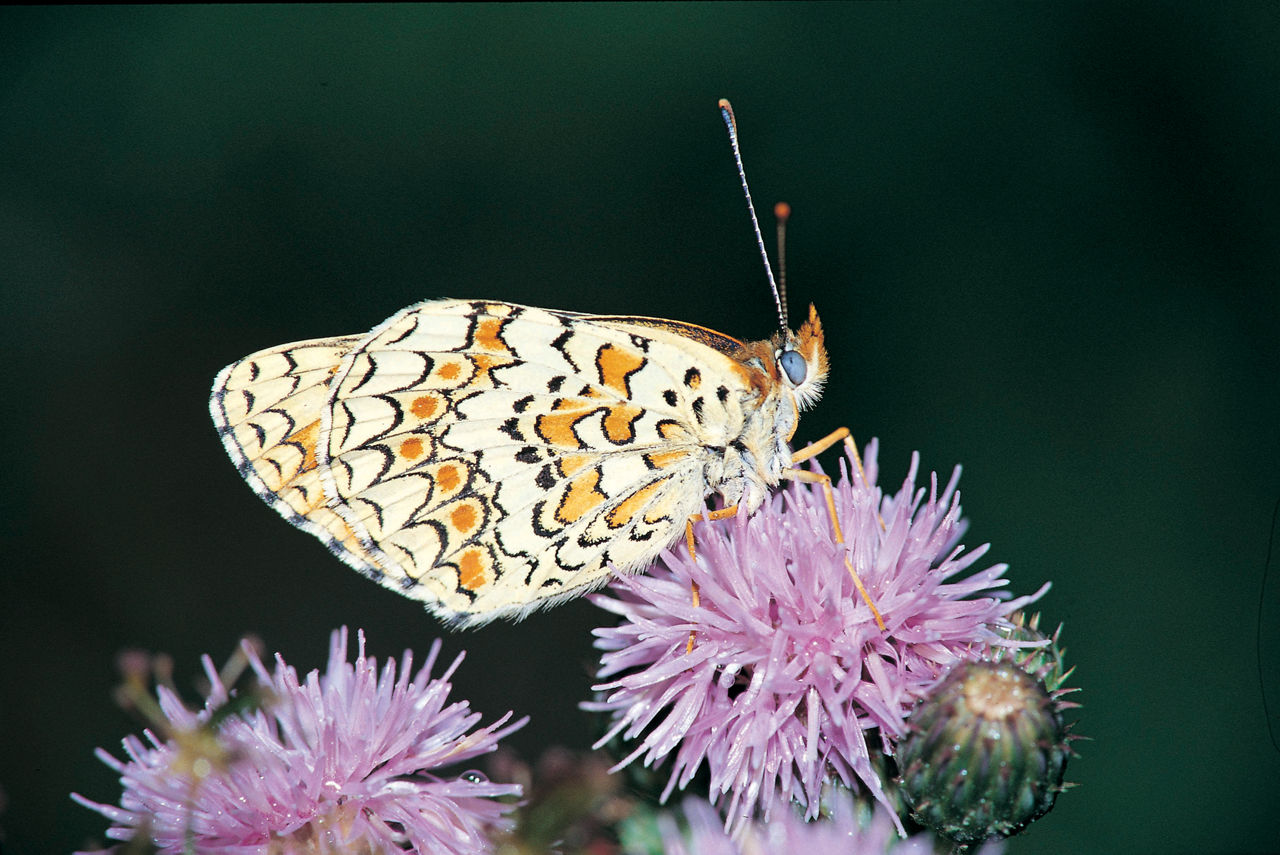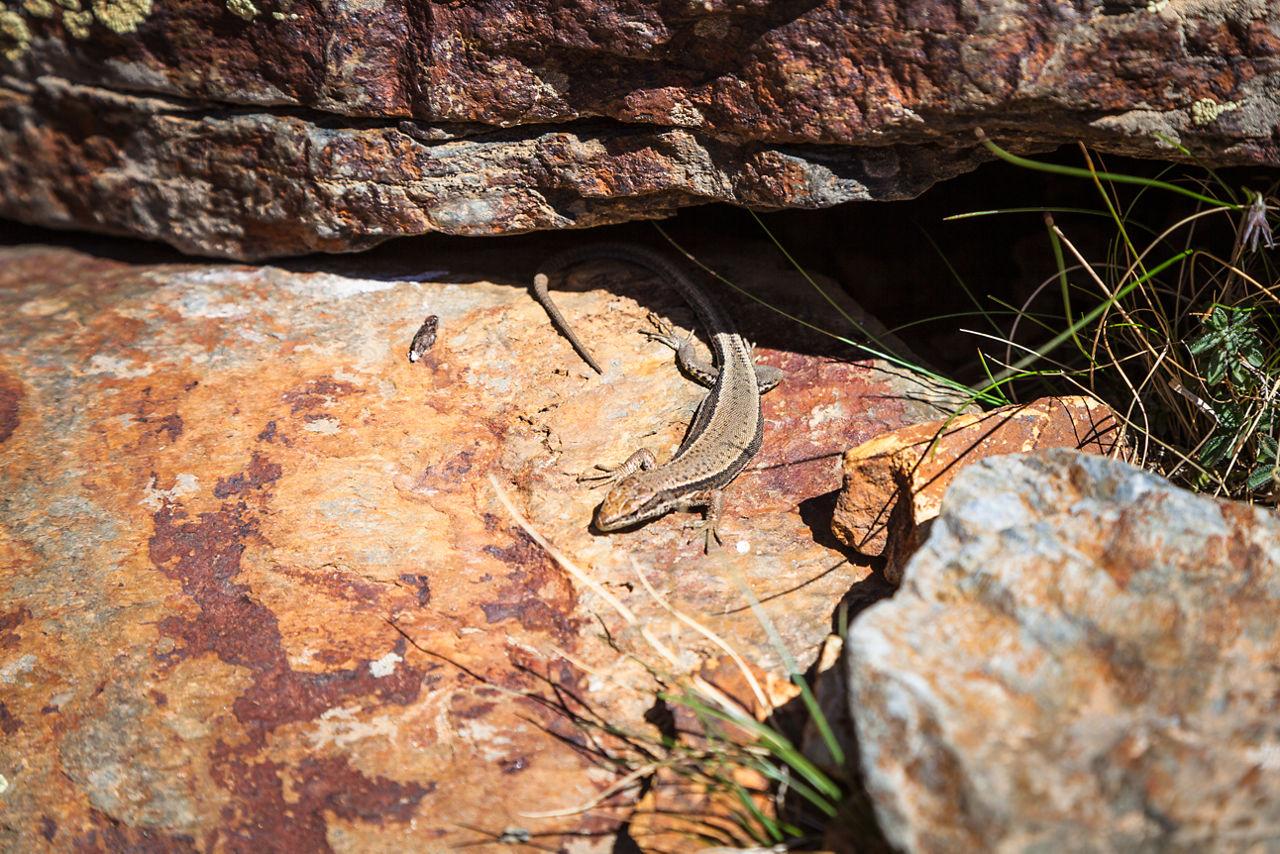
With the change of season, the snow gives way to the green hues that slowly but surely take over the forests and meadows. The milder temperatures lead to greater activity among different species. It is time for courtship rituals, mating and caring for the young. The winter silence is broken by the sound of thousands of birds and other species in the burst of life brought with the good weather.
The National Geographic team will focus on collecting images of the western capercaillie, a particularly elusive and hard-to-capture species, as well as other species, such as the black woodpecker and boreal owl, in their nests, taking care of their offspring. They will also follow the trail of the roe deer, rarely seen beyond the protection offered by their natural habitat: the thick Andorran forests. Easier to observe are the marmots, since their hibernation burrows are found in high-mountain meadows nestled among boulder-strewn scree slopes. They are not difficult to see, as they only venture a few metres from their burrows. While the roe deer do not thrive in open fields, marmots will rarely enter the forest.
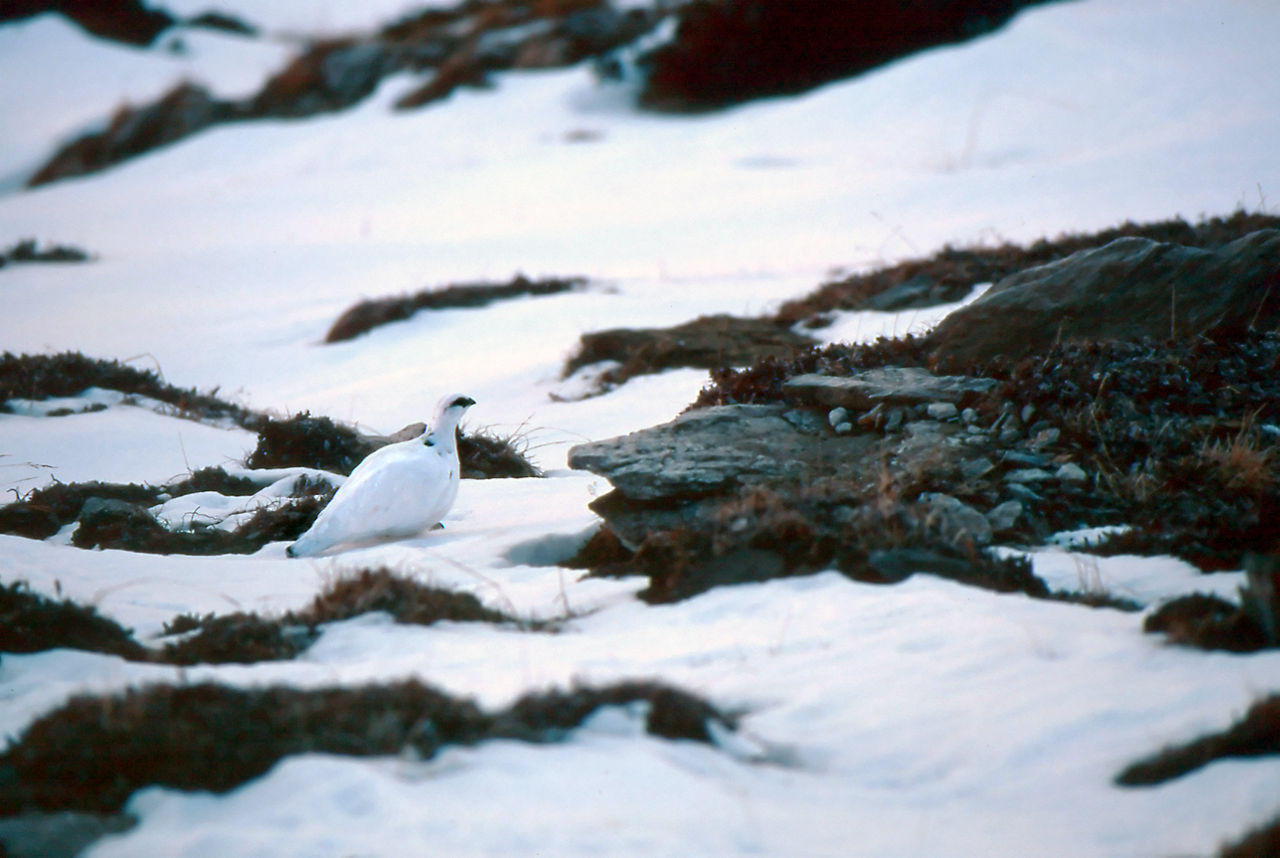
In the summer we can see families grow with the arrival of chicks and young, with more images of Pyrenean chamois and marmots. We will also witness the seasonal change in plumage of species like the rock ptarmigan.
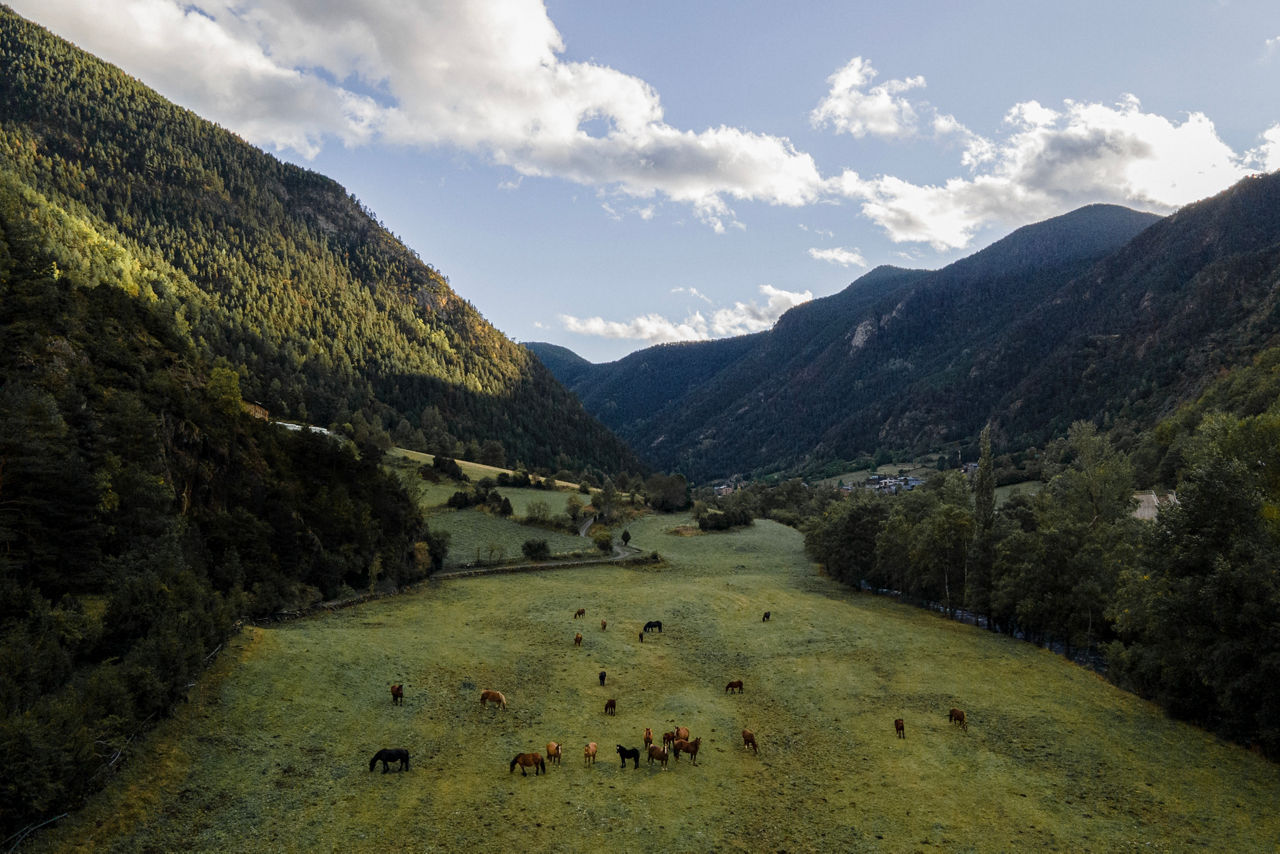
Another image that National Geographic will show you is the transhumance of the herds of horses that are released into the high mountain pastures, where they will remain until well into autumn.
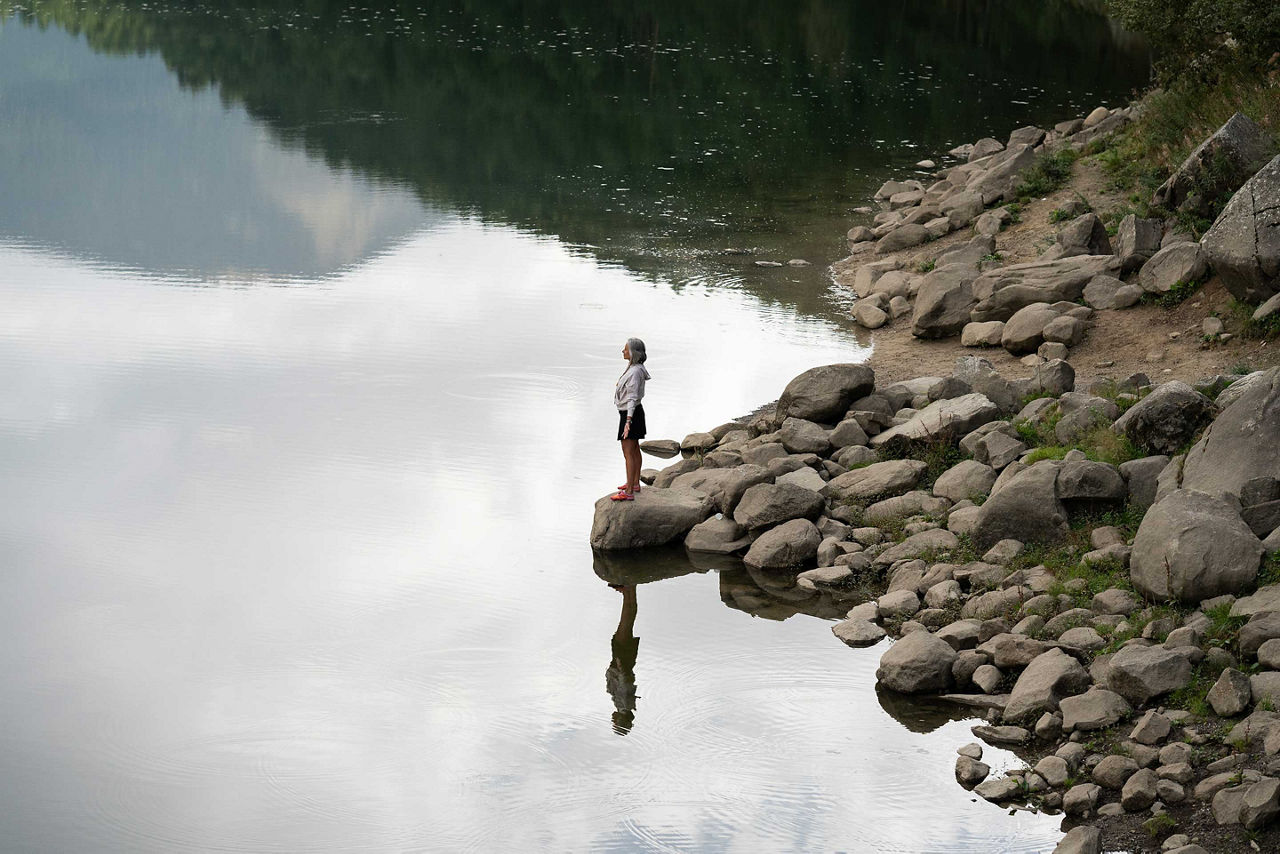
The green mantle of meadows splashed with colour and the glacial lakes of the valleys in spring and summer are among life’s must-see moments, and the National Geographic team—with their videos and images—offer you the chance to see them like never before.