Must-visit cultural spots in Encamp

/content/dam/visitandorra/ca/assets/images/què-fer/cultura/cultural-itineraries/encamp/Encamp_TorreDelsMoros.jpg


Top 10 cultural attractions in Encamp
1- Casa Cristo Ethnographic Museum
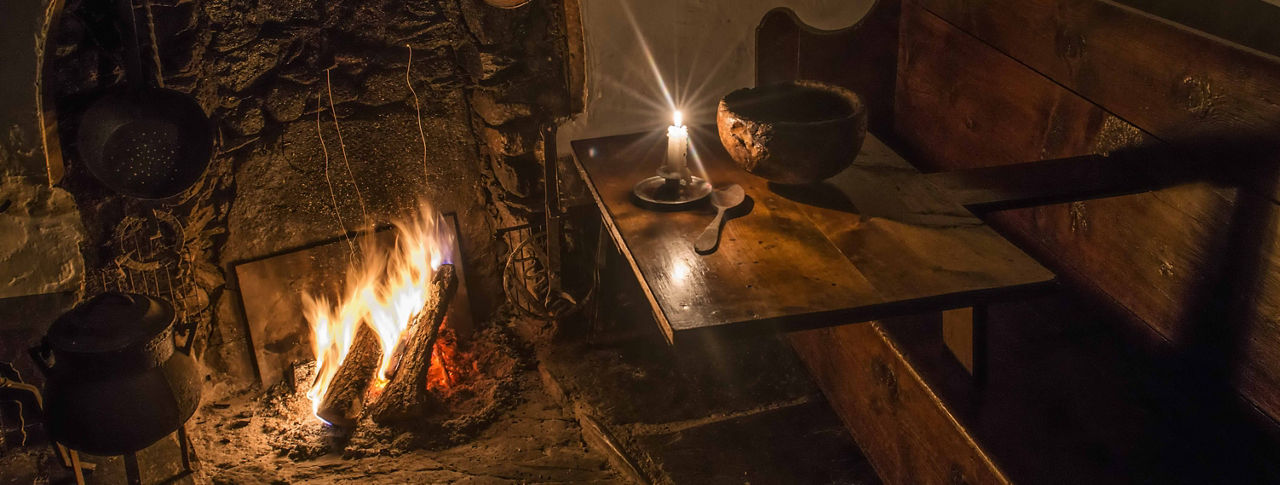
A visit to Casa Cristo allows you to discover the way of life of an Andorran peasant family at the turn of the 20th century, through a home that preserves the original uses of the time.

The house was inhabited by its last owners until 1947, when they emigrated to France. The town council subsequently acquired and restored it in 1995, and in 2000, it opened its doors as a museum, becoming a valuable testament to the parish's heritage.

Currently, the museum is part of route 4 of the Andorran Tourist Bus, which operates from June to October, helping visitors to discover the parish's cultural heritage. More information here.

2- Santa Eulàlia Church
With a 23-metre-high bell tower, Santa Eulàlia Church is one of the landmarks of Andorra's Romanesque heritage, with origins dating back to the 11th century.

Inside, it preserves several elements of artistic and historical interest, such as Baroque altarpieces from the 17th and 18th centuries, a baptismal font decorated with geometric and floral motifs, and the oldest vestibule in the country. The site is completed with a contemporary stained glass window, created by Encamp artist Agustí Rios, bringing a modern interpretation to the space.

The visit can be combined with the Museum of Sacred Art, located next door, with exhibits featuring liturgical objects from the 14th to the 17th centuries that will immerse you in the parish's religious and cultural history.

3- National Automobile Museum
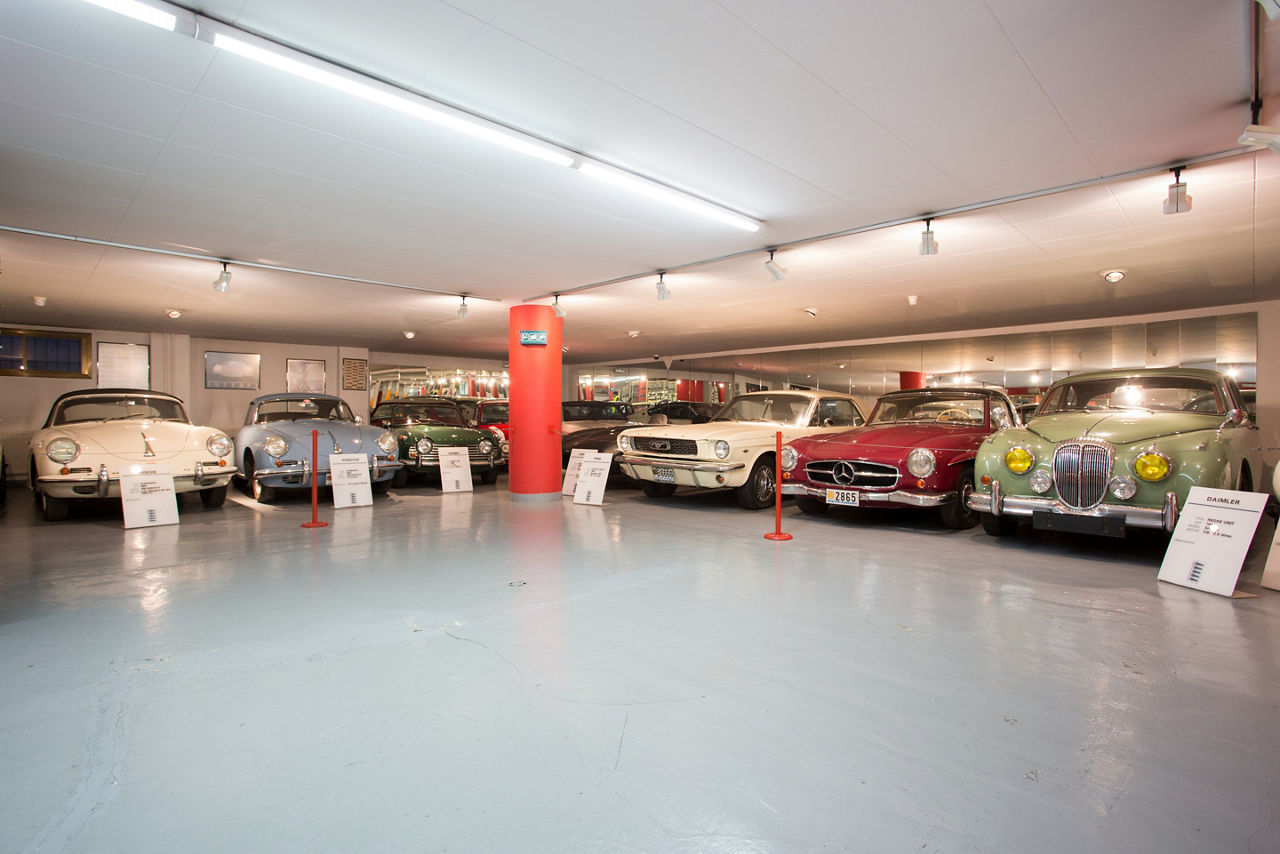
This museum houses one of the largest vehicle collections in Europe, offering a journey through the history of mobility and technological innovation. The exhibition presents pieces ranging from the Pinette steam engine of 1885 to vehicles from the 1980s, with around 80 examples of automobiles from private collections, as well as around 60 motorcycles and 100 bicycles.

On your visit, you can observe the evolution of the automobile, both in terms of its functions and uses and in its aesthetics and design, reflecting how vehicles have adapted to each era's needs and contributed to the progress of society. For more details, click here.

4- Electricity Museum
This museum is located in the current hydroelectric power station of Andorra, in operation since 1934, and shows you how electricity was introduced to the country and its evolution over time.

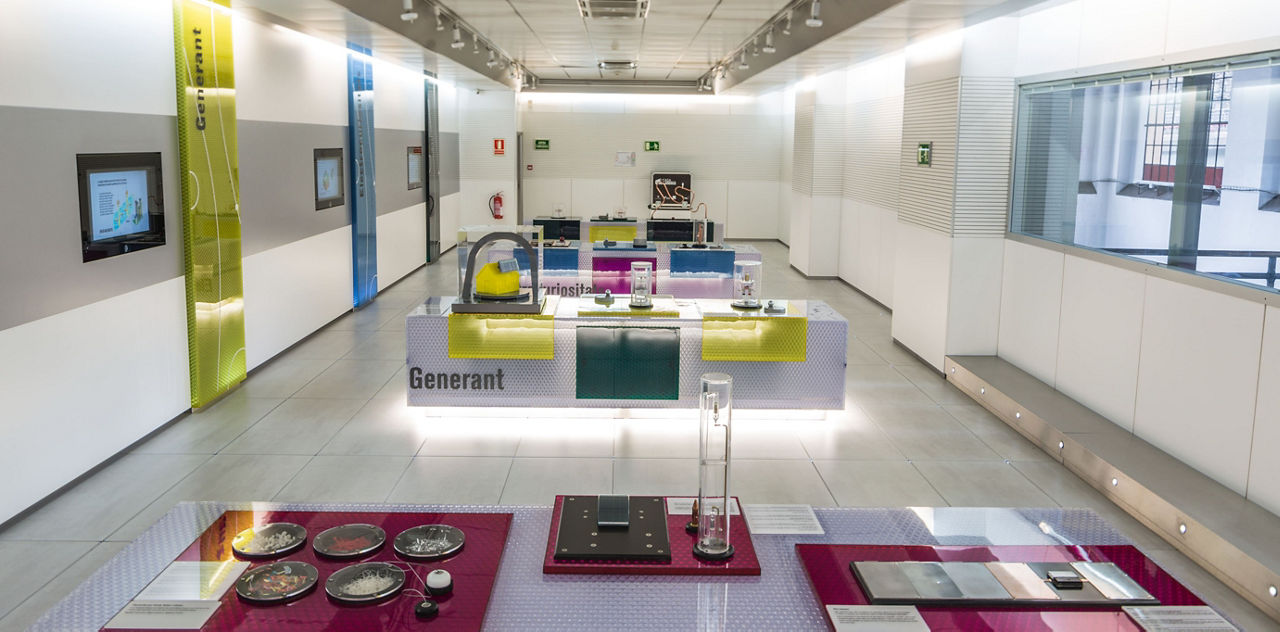
The tour is organised into two themed areas. First, there is a permanent educational exhibition explaining what electricity is, its origin and the generation process, in addition to an exhibition of objects related to its evolution and a timeline that traces the history of electricity in Andorra since 1909.

Then, the museum offers a room with interactive experiments designed for all audiences, as well as the mechanical room, where the hydroelectric power plant's three original generators are preserved, allowing visitors to understand how the installation works. For more details, click here

5- Sant Romà de les Bons Church
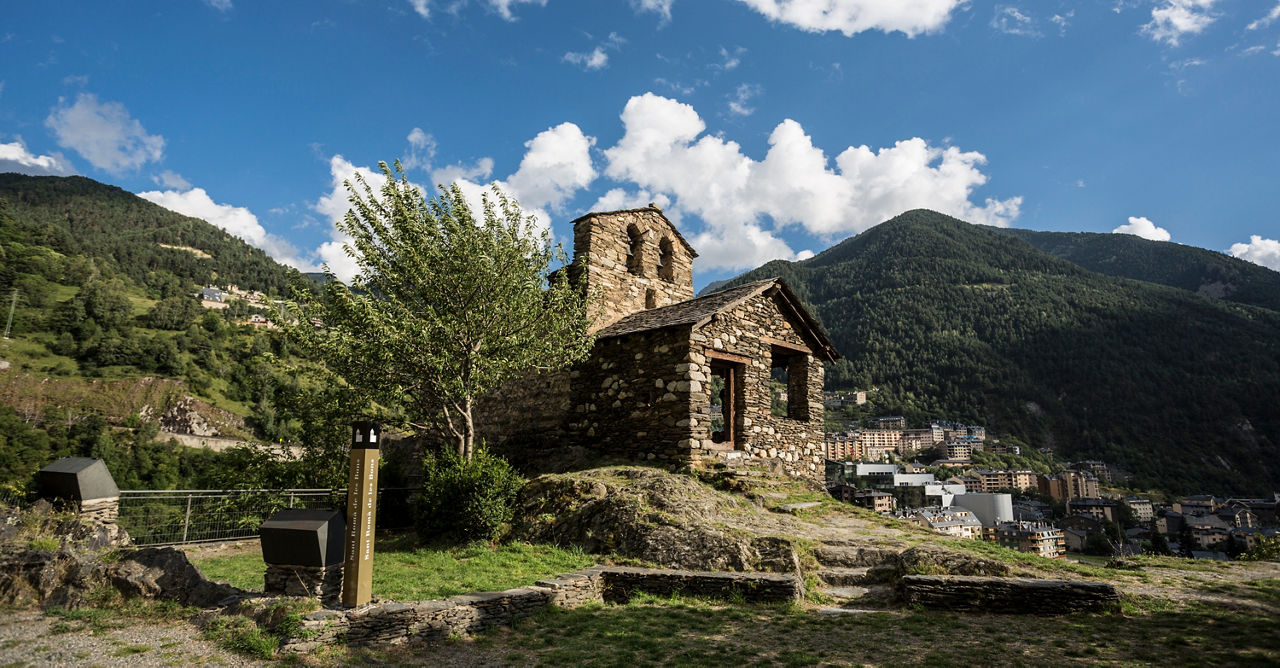
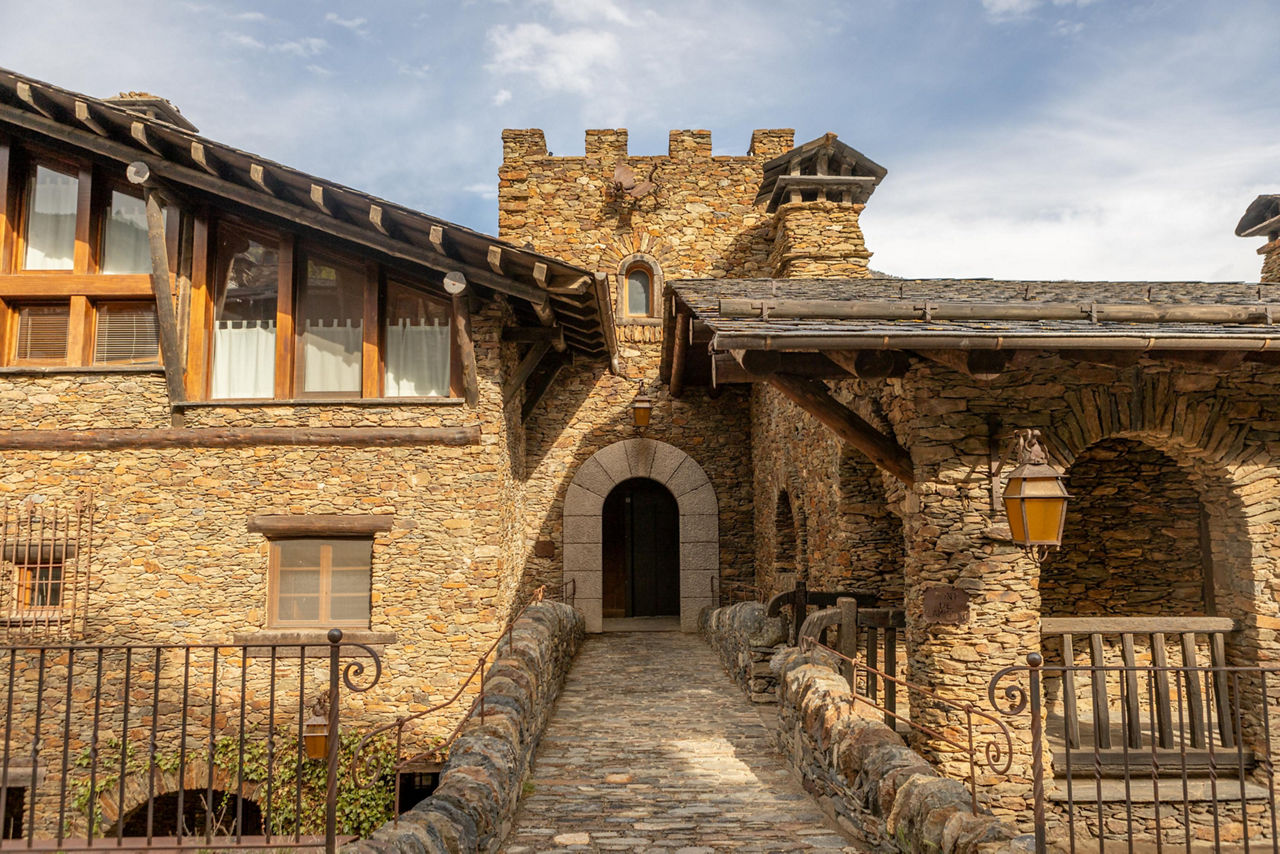
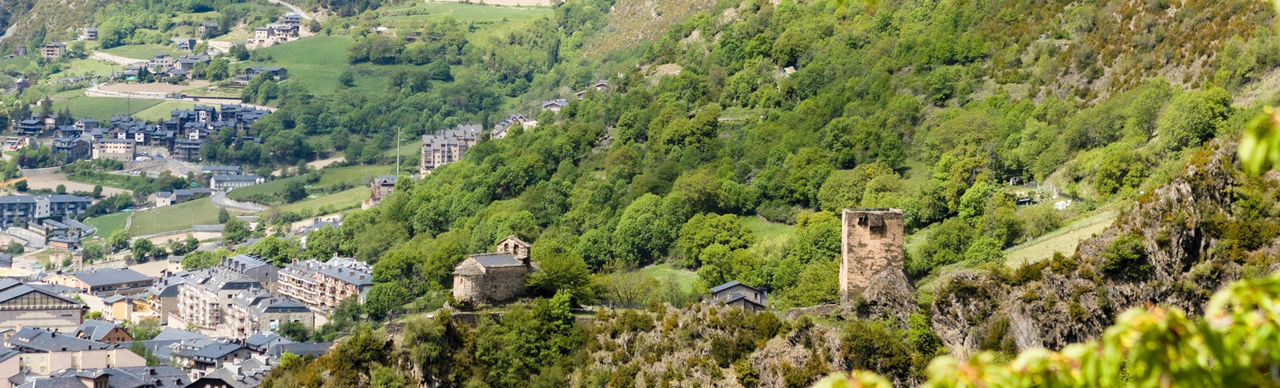
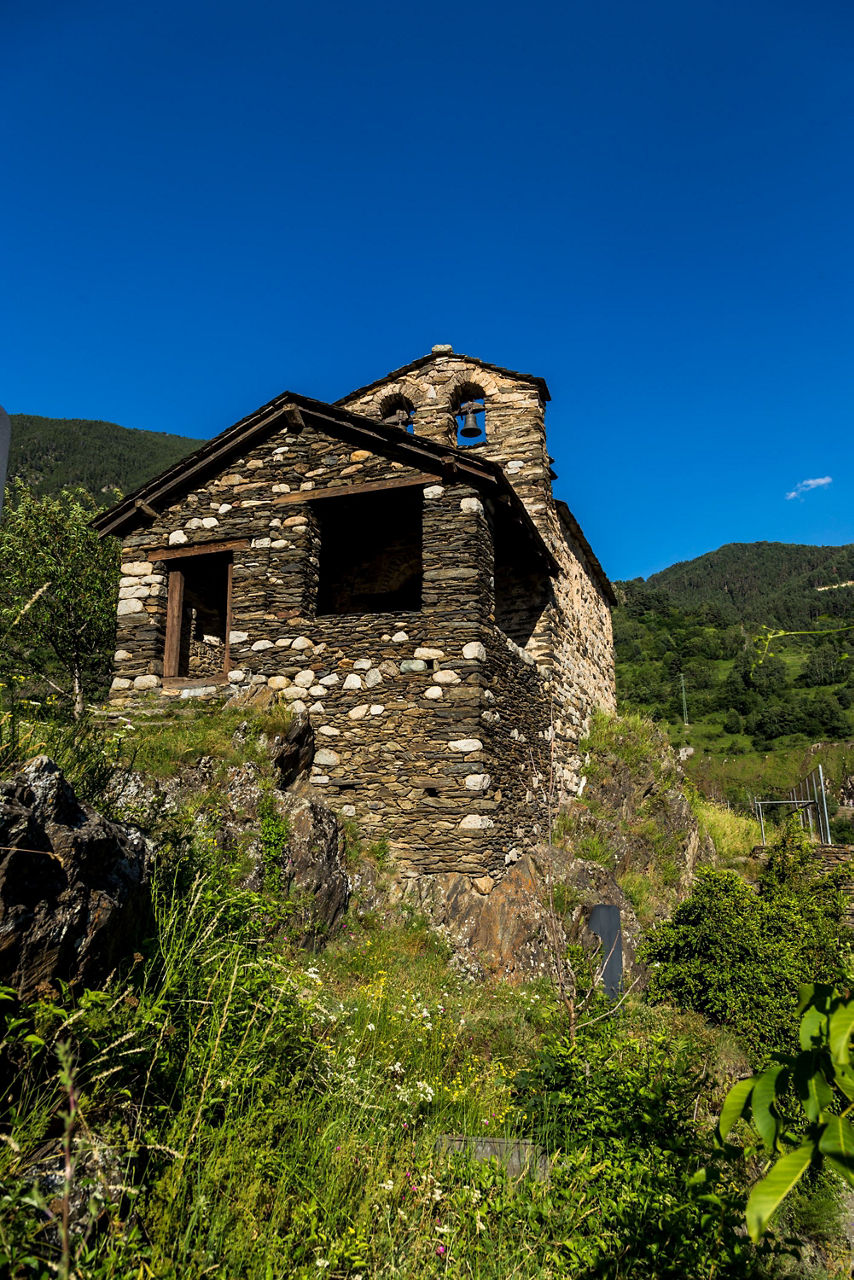
Located in the village of Les Bons, this church is part of the Les Bons Historical Site, a space of medieval origin where you can explore different buildings and discover the area's history. 

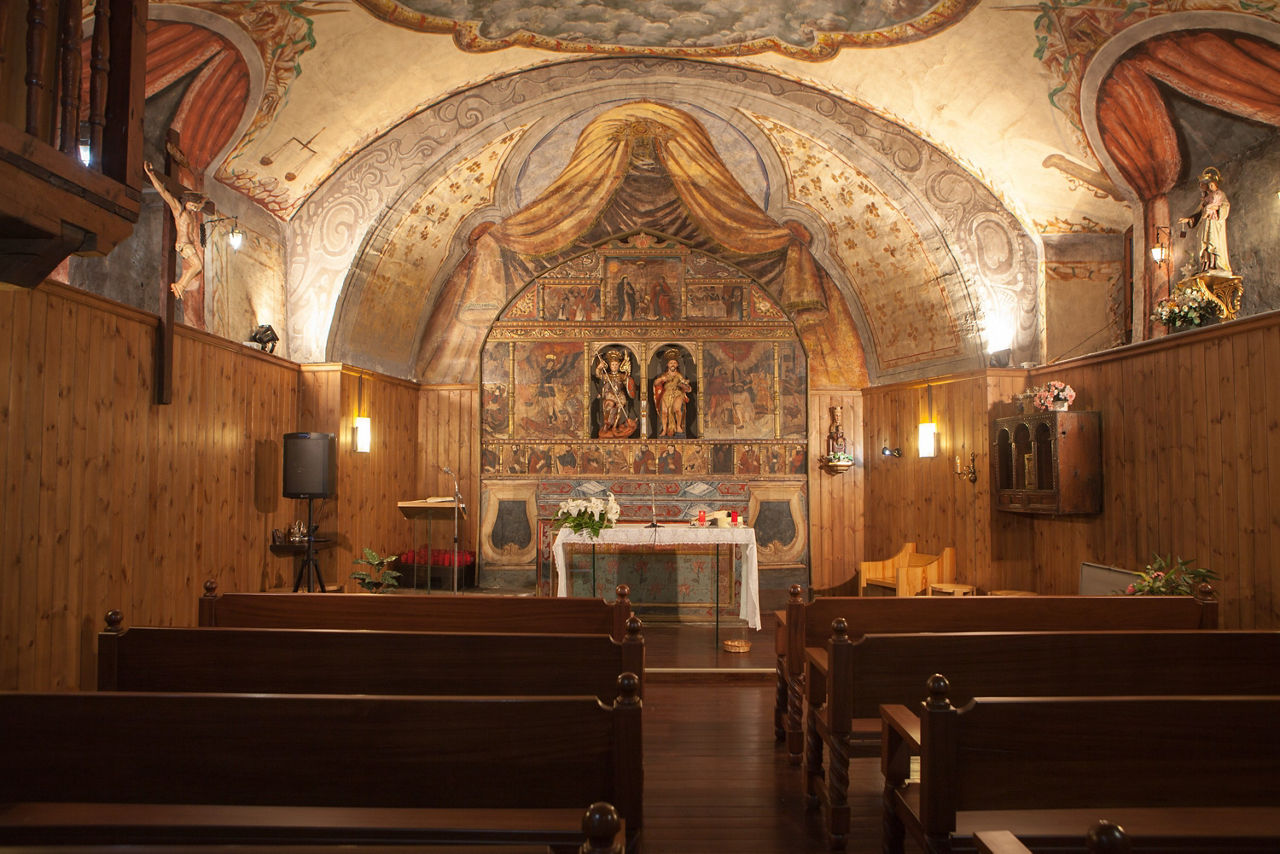
From the area around the church there are panoramic views over the Encamp valley, which add plenty of scenic value to your visit. Of Romanesque origin, the church is home to Romanesque paintings from the 12th century, as well as mural paintings from the 16th century, which reflect the artistic and religious evolution of the site. More details can be found here.

6- Sant Miquel de la Mosquera Church
Located in the centre of the parish, the 17th-century Sant Miquel de la Mosquera Church is one of the most active around. Inside, it has a 16th-century altarpiece and 19th-century mural paintings by the Andorran painter Josep Oromí, which add artistic value to the site.

The church is also renowned for some unique details that make it especially interesting. Among these is the fact that the Ten Commandments do not appear on the ceiling, as well as the presence of Judas Iscariot on the altarpiece, an unusual feature in this type of representation. Find more information here.

7- Mare de Déu de l'Ecologia
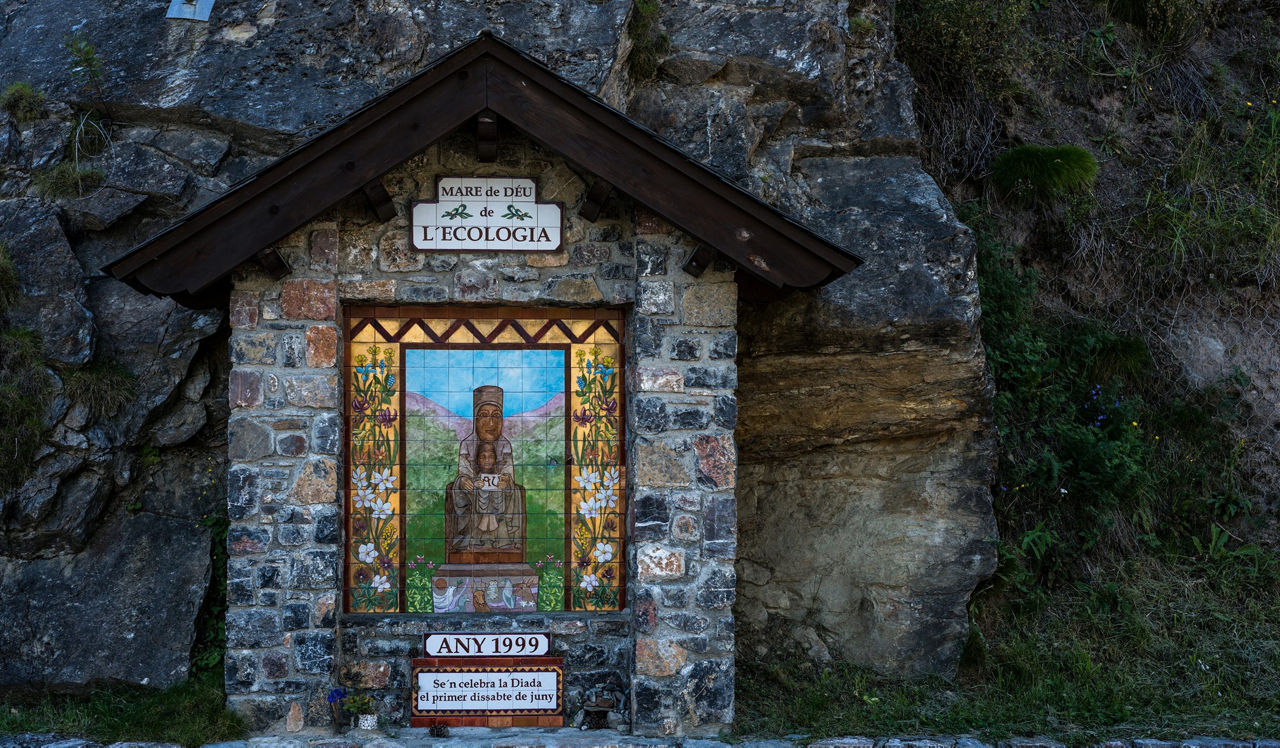
Every first Saturday in June, the people of Encamp pay tribute to Our Lady of Ecology with a day of offerings and popular gatherings, in a tradition that links spirituality and respect for the natural environment.

The figure is located outdoors, on the Camí de les Pardines path, in an environment that is easily accessible on foot from the car park located 1.5 km away, and very close to Lake Engolasters, the highlight of the route. 

8- Sant Pere del Pas de la Casa
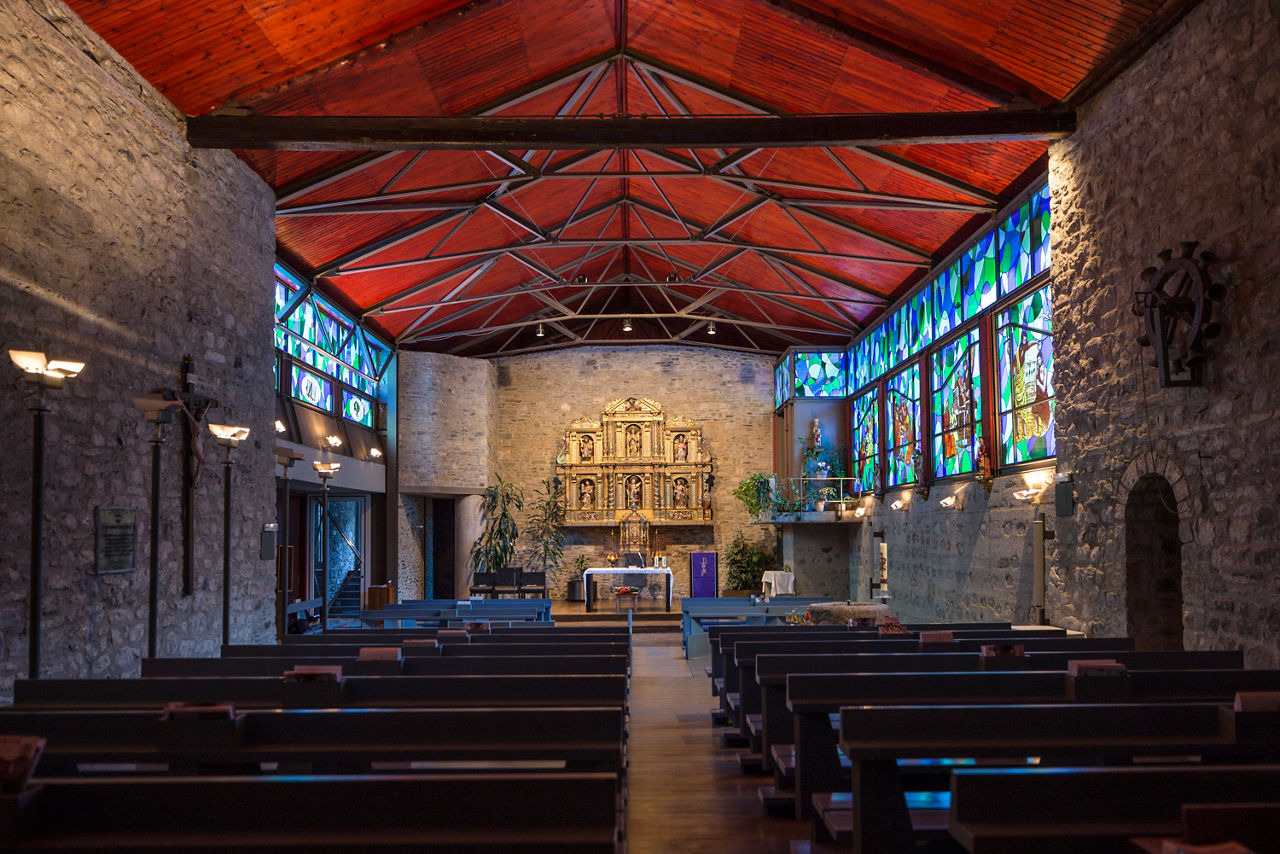
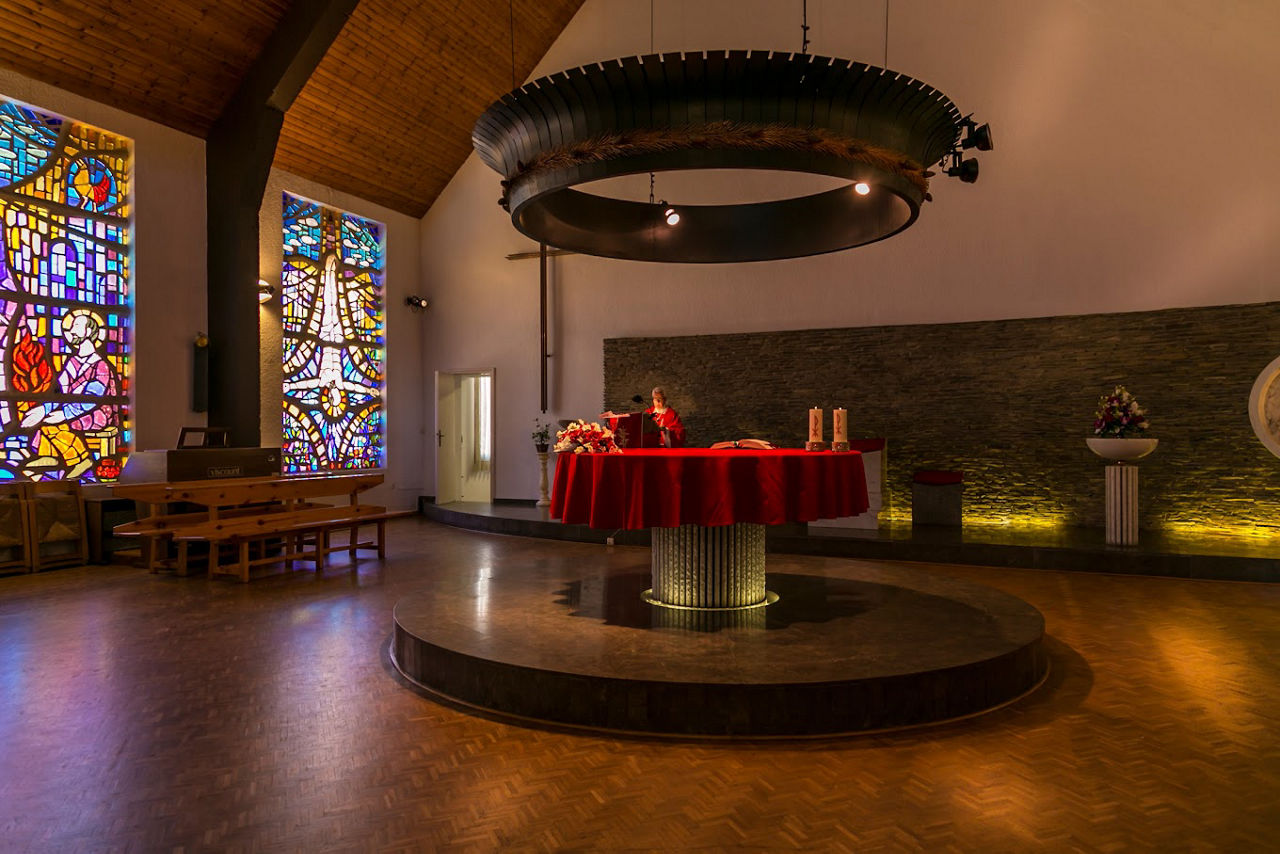
Opened in 1985, the Sant Pere Chapel is a contemporary place of worship located in the centre of Pas de la Casa. Despite its recent construction, it has become a key spot in the town's religious life.

Inside, noteworthy features include a circular altar and a contemporary stained glass window representing the Virgin Mary and Saint Peter, the patron saint of Pas de la Casa. The site offers a current reading of religious architecture, integrated into the urban context of the parish. 

9- Pagan Place in Cortals d'Encamp
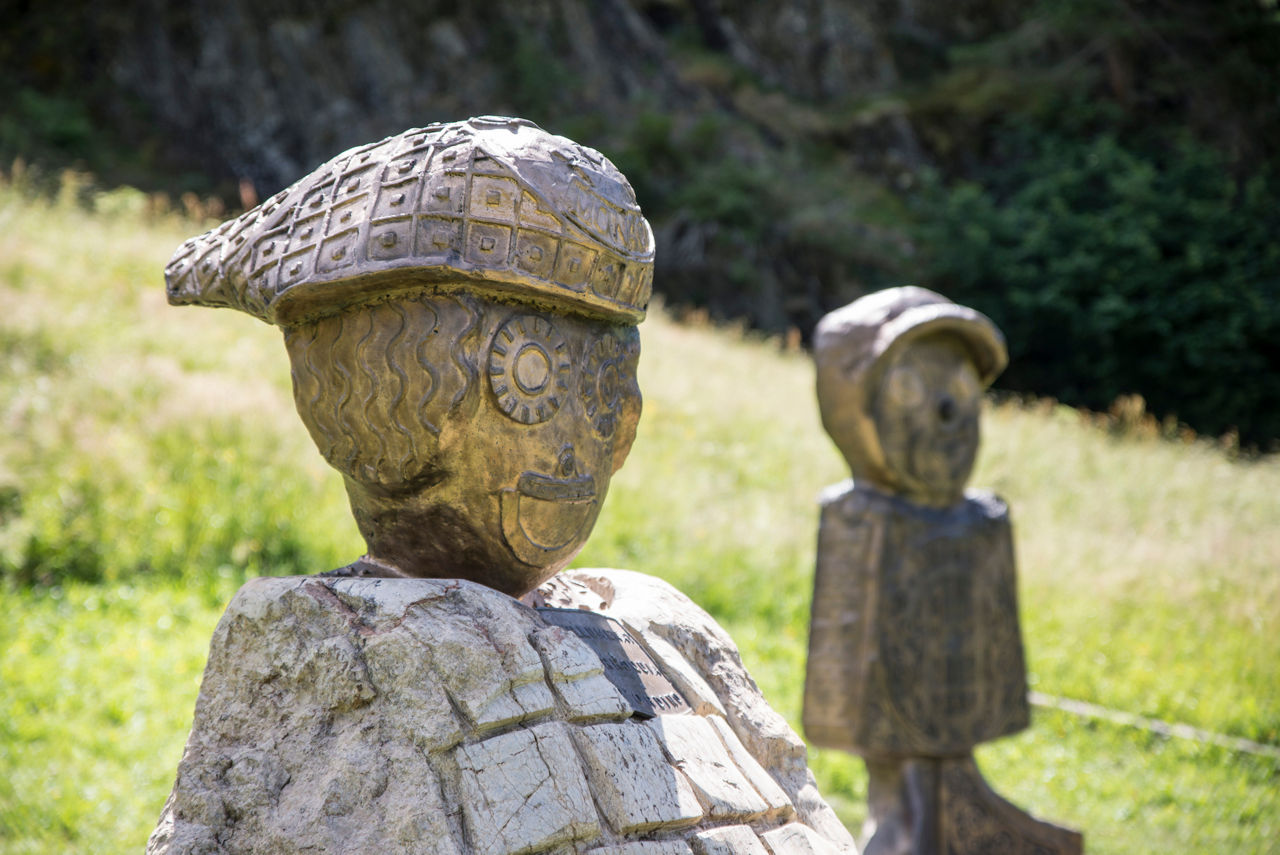
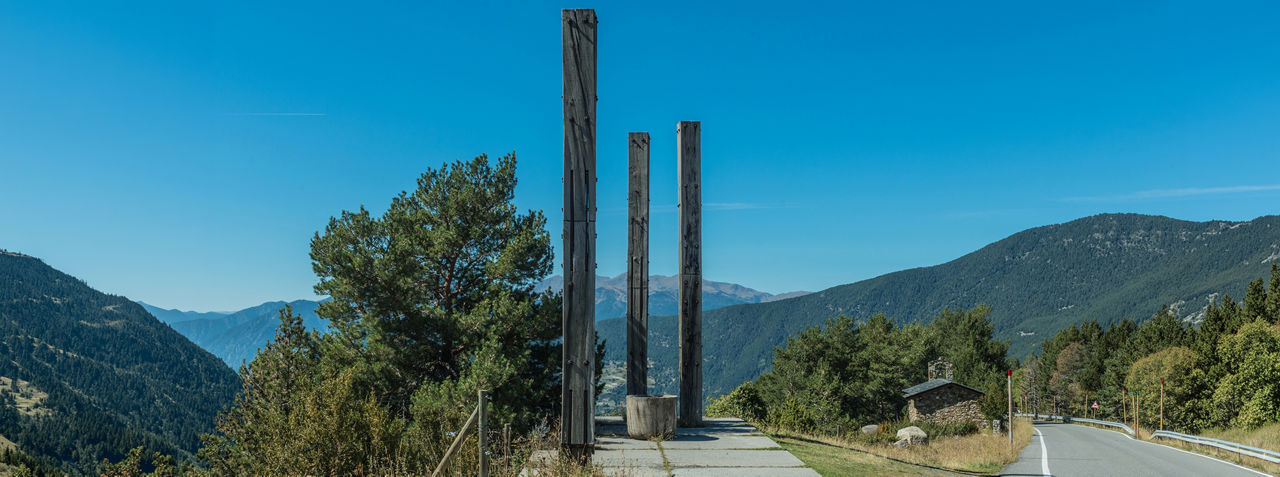
This outdoor artistic ensemble is made up of three tall totem poles and a piece that resembles a baptismal font, and it is all integrated into the mountain scenery. It is by the Irish artist Michael Warren and set in a natural environment that reinforces its symbolic character.

The sculptures are located in the Cortals d'Encamp area, very close to the pre-Romanesque Sant Felip and Sant Jaume dels Cortals Chapel and a few metres from the Bosc de les Allaus Viewpoint, in a location that allows you to complete your visit with a stop at these points of cultural interest. To discover more sculptures in the parish, click here.

10- Molí del Guillem
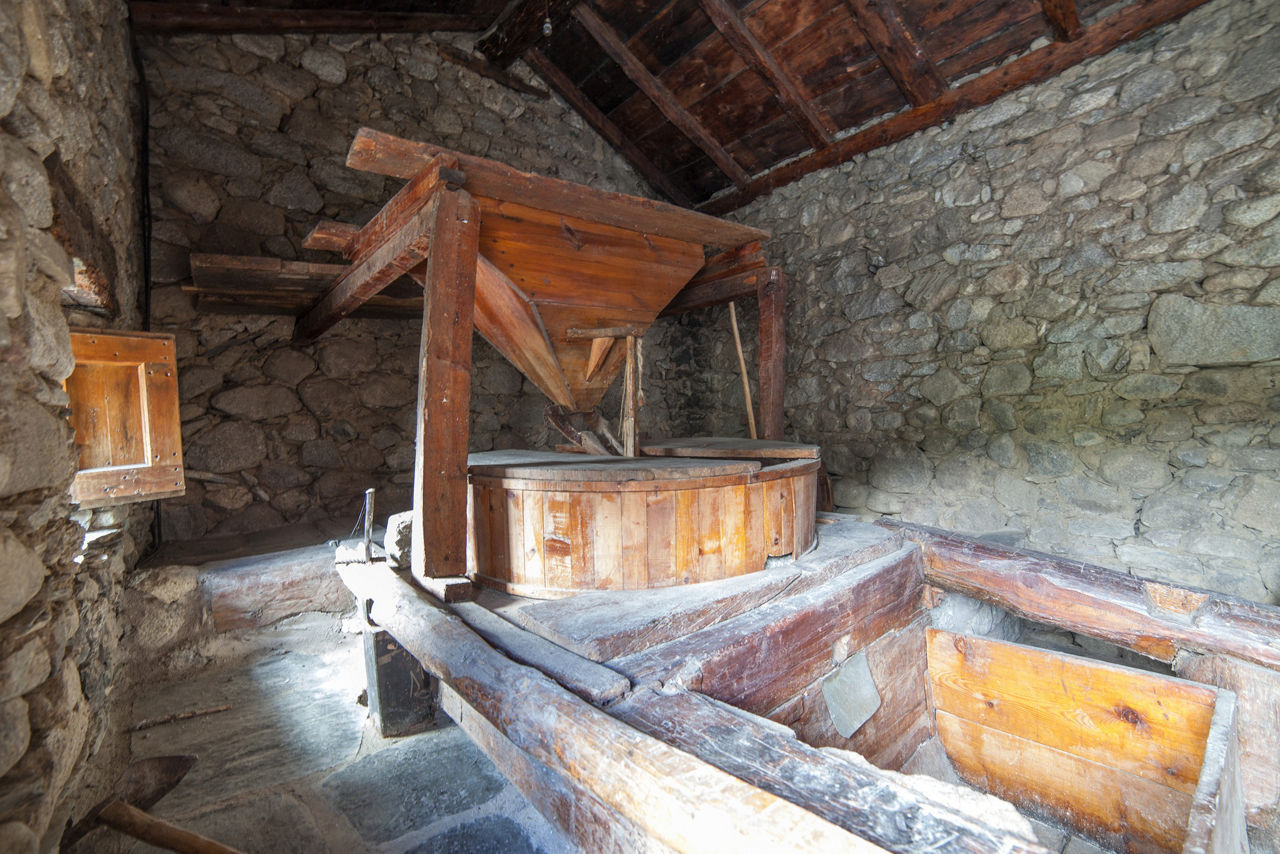
Located in the Tremat area, in a small building characteristic of traditional mountain architecture, the Molí del Guillem mill dates back to the 16th century. It operated with hydraulic power and has recently been restored by the town council as a key element of local heritage.

In the past, the mill was used to transform grain into flour, intended both for making bread for locals and for feeding livestock. Thanks to its renovation, we get a glimpse into the traditional trades linked to the territory. On top of that, the restoration of the mill contributes to preserving the historical legacy of the area and integrating it into the heritage route around the parish. 

For more information on how to get to know the cultural wealth of Encamp, contact the Encamp Tourist Information Office.

YOU MAY ALSO BE INTERESTED IN...

Must-visit cultural spots in the other parishes

/content/dam/visitandorra/ca/assets/images/què-fer/cultura/cultural-itineraries/canillo/creu_set_bracos_canillo.jpg

Canillo

/content/dam/visitandorra/ca/assets/images/què-fer/cultura/cultural-itineraries/ordino/ruta del ferro ordino_.jpg

Ordino

/content/dam/visitandorra/ca/assets/images/què-fer/cultura/cultural-itineraries/la-massana/tempesta_te_la massana.jpg

La Massana

/content/dam/visitandorra/ca/assets/images/què-fer/cultura/cultural-itineraries/andorra-la-vella/andorraworld-desantis-eltokinamarket--------k---------is-@foy----krl---------2024--3V7A4172 (1).jpg

Andorra la Vella

/content/dam/visitandorra/ca/assets/images/què-fer/cultura/cultural-itineraries/sant-julia-de-loria/auvinya_sant_julia_de_loria_.jpg

Sant Julià de Lòria

/content/dam/visitandorra/ca/assets/images/què-fer/cultura/cultural-itineraries/escaldes-engordany/_projecte-caldes_.jpg

Escaldes-Engordany